

Regular sealing, using coasters, and immediate spill cleanup are key to protecting marble tables from stains.
If you’re the proud owner of a magnificent marble table, you understand the timeless elegance and sophisticated charm it brings to any space. Yet, you also know the underlying anxiety that can come with such a beautiful investment: the fear of unsightly stains. As someone who has worked with countless homeowners and designers over the years, advising on the care and preservation of natural stone, I can tell you that keeping your marble pristine isn’t just about luck; it’s about understanding its unique properties and implementing proactive, effective strategies.
This comprehensive guide will walk you through everything you need to know on how to protect marble table from stains, ensuring your cherished piece remains a showstopper for years to come.
Understanding Your Marble: The Foundation of Protection

Before we dive into the nitty-gritty of stain prevention, it’s vital to understand what makes marble so susceptible in the first place. This knowledge is the bedrock of truly effective protection strategies. Marble, a metamorphic rock formed from limestone, is primarily composed of calcite, which is calcium carbonate. This composition is key to both its beauty and its vulnerabilities.
What is Marble?
Marble’s inherent porosity means it has tiny, interconnected pores that can absorb liquids. Think of it like a sponge, albeit a very dense one. While beautiful, this porosity makes it prone to absorbing spills, leading to discolored spots we call stains. It’s a natural characteristic, not a defect, but it means we need to be extra diligent in its care.
Types of Stains Marble is Prone To
When discussing how to protect marble table from stains, it’s crucial to differentiate between true stains and etching. A true stain occurs when a colored liquid penetrates the marble’s pores, leaving a discoloration. Common culprits include red wine, coffee, tea, oil, and food dyes. Etching, on the other hand, isn’t a stain; it’s a chemical reaction. Acidic substances like lemon juice, vinegar, sodas, and even some cleaning products dissolve the calcium carbonate, leaving a dull, lighter spot that looks like the marble has been eaten away. My own experience has taught me that etching can often be more frustrating than a stain because it alters the stone’s surface texture.
Why Protection is Crucial
Protecting your marble table isn’t just about aesthetics; it’s about preserving an investment. A well-maintained marble table retains its value and continues to enhance your home’s appeal. Preventing stains means less stress, fewer costly repairs, and more enjoyment of your beautiful furniture. Learning how to protect marble table from stains is simply smart stewardship.
The Gold Standard: Sealing Your Marble Table
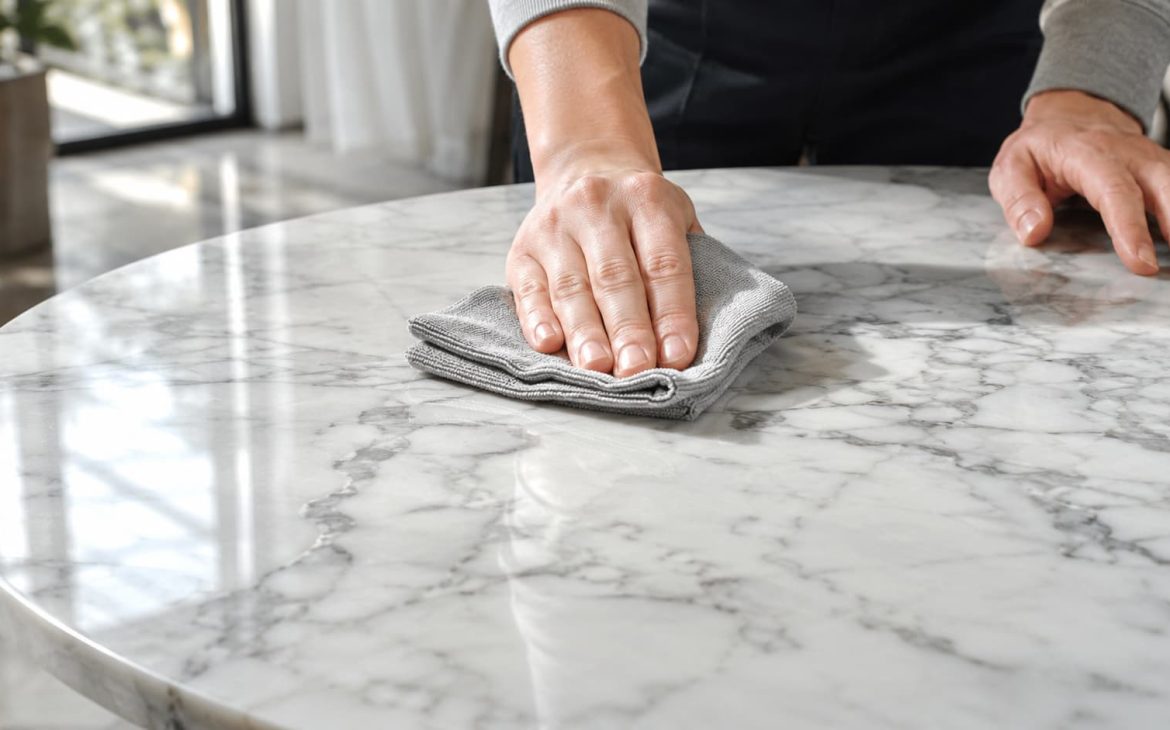
If you ask any stone care expert how to protect marble table from stains, the first thing they’ll likely mention is sealing. This step is non-negotiable for serious marble protection. Sealing provides a vital barrier that significantly reduces the stone’s absorbency.
What is a Marble Sealer?
A marble sealer is a penetrating, impregnating solution that soaks into the pores of the marble and lines them. It doesn’t sit on top like a polish; rather, it creates a hydrophobic (water-repelling) barrier within the stone itself. This barrier dramatically slows down the absorption rate of liquids, giving you precious time to clean up spills before they can set in as a permanent stain. There are different types, but generally, clear, penetrating sealers are recommended for marble.
How to Apply a Marble Sealer
Applying a sealer is a relatively straightforward process you can do yourself. First, ensure your table is completely clean and dry. Use a pH-neutral cleaner specifically designed for natural stone. Next, apply the sealer evenly to the marble surface using a soft cloth or applicator pad, following the product instructions carefully. Let it sit for the recommended dwell time (usually 15-20 minutes), allowing it to penetrate. Then, wipe off any excess sealer thoroughly with a clean, dry cloth. Failure to remove excess sealer can leave a hazy residue. Finally, let the table cure for the time specified by the manufacturer before use.
How Often Should You Seal?
The frequency of sealing depends on several factors: the marble’s porosity, how heavily it’s used, and the type of sealer. As a rule of thumb, I recommend sealing marble tables annually, but it could be more or less frequent. A simple water test can tell you if it’s time to re-seal. Drip a few drops of water onto the marble surface. If the water beads up, your sealer is still doing its job. If it starts to soak in and darken the stone within a few minutes, it’s definitely time to apply another coat. It’s a quick test that can save you a lot of grief.
Personal Insight: I once learned the hard way about the importance of thorough wiping. My first sealing attempt on a client’s pristine white Carrara marble resulted in a slight, almost invisible haze because I didn’t buff off all the excess sealer. It was a minor fix, but it taught me that precision and patience are key. Now, I always do a double-check with a bright light to ensure no residue is left behind. It’s all part of learning how to protect marble table from stains effectively.
Everyday Habits for Stain Prevention
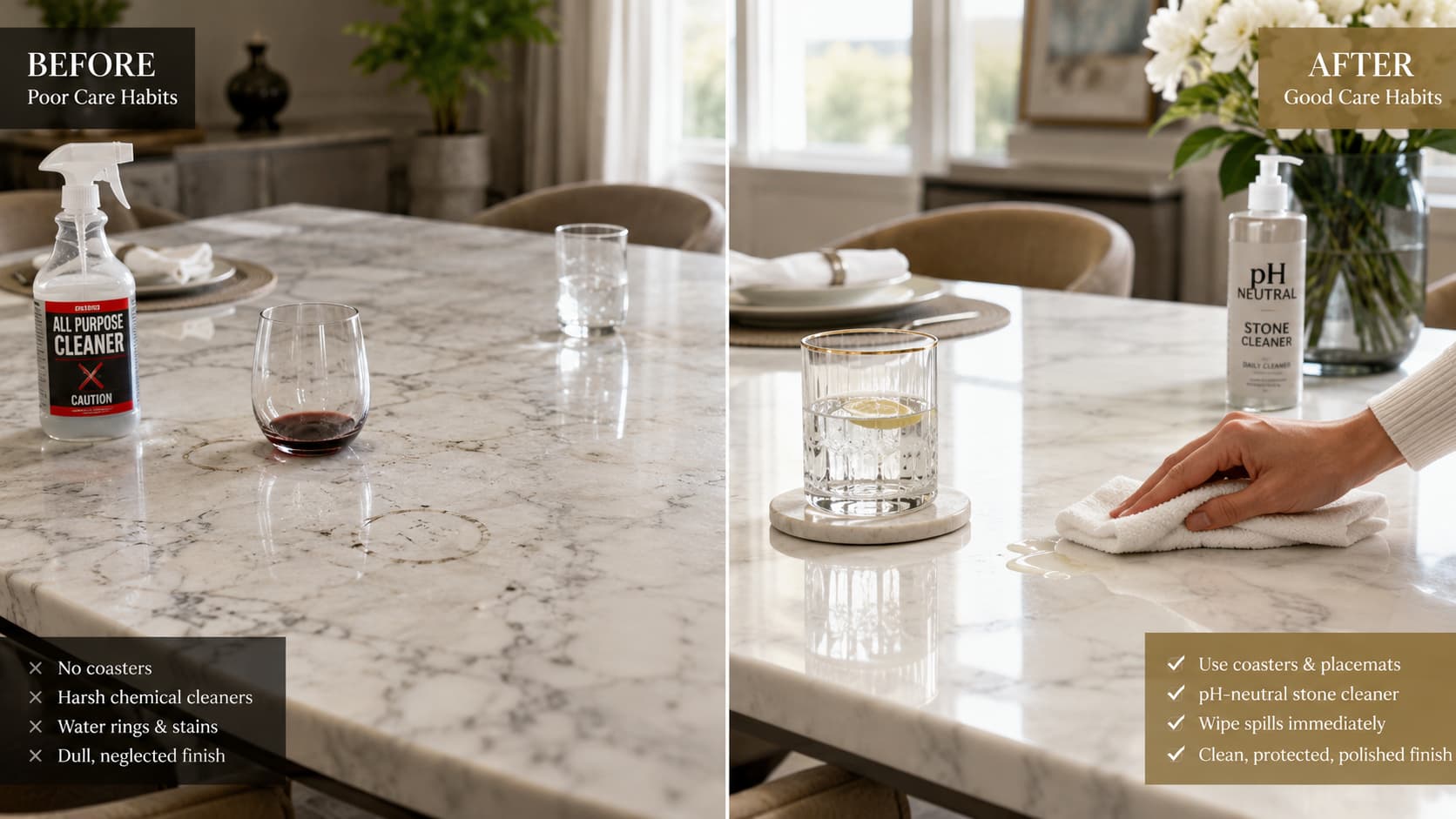
While sealing is your foundational defense, daily habits are your ongoing battle plan. These simple practices are incredibly effective in preventing spills from becoming permanent stains on your beautiful marble table. Mastering these routines is essential for anyone looking to truly protect their marble table from stains.
Coasters and Placemats: Your First Line of Defense
This might seem obvious, but it’s the most underestimated protection. Always, and I mean always, use coasters under glasses, cups, and bottles. Even water condensation can leave rings or, worse, etch the surface if left long enough. Placemats are fantastic for plates, especially those that might have greasy food or acidic dressings. These simple barriers are your cheapest and most effective tool in the arsenal of how to protect marble table from stains.
Immediate Spill Cleanup: The Golden Rule
Time is of the essence when it comes to spills on marble. If something spills, blot it immediately with a soft, clean cloth. Do not wipe, as this can spread the liquid and push it further into the pores. Blot gently, lifting the liquid straight up. Then, clean the area with a pH-neutral cleaner formulated for natural stone. Acidic or abrasive cleaners can cause etching or damage the sealer. This quick action is critical for preventing potential stains.
Using the Right Cleaning Products
Many household cleaners are a marble table’s worst enemy. Avoid anything acidic, like vinegar, lemon juice, or harsh bathroom cleaners, as they will etch the stone. Steer clear of abrasive cleaners or scouring pads, which can scratch the delicate surface. For daily cleaning, a soft cloth dampened with warm water or a specialized pH-neutral stone cleaner is all you need. Always read product labels to ensure they are safe for marble.
Protective Layers: Trivets and Hot Pads
Extreme temperature changes can also affect marble. Always use trivets or hot pads under hot dishes and pots. While marble is a durable stone, prolonged heat can sometimes cause thermal shock, leading to cracks, or even affect the sealer. Similarly, avoid placing very cold items directly on the table for extended periods.
Food and Drink: Mindful Placement
Be mindful of what you place directly on your marble table. Red wine, coffee, tea, dark juices, salad dressings, and oils are notorious for causing stains. Cosmetics, perfumes, and some cleaning sprays can also contain ingredients that can damage or stain marble. Encourage guests and family members to be careful, and always have protective measures like coasters and placemats readily available. This proactive approach significantly helps how to protect marble table from stains.
Dealing with Accidental Stains: First Aid for Marble
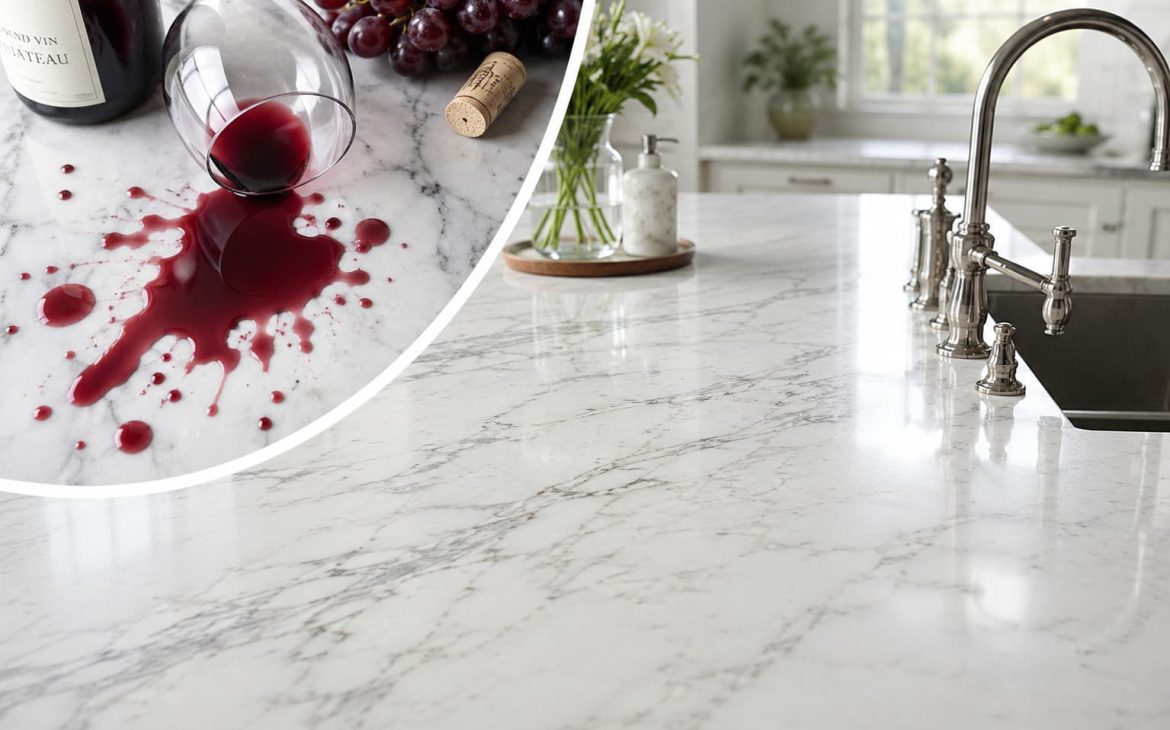
Despite your best efforts, accidents happen. A dropped berry, an unnoticed coffee ring – these moments can strike fear into the heart of a marble owner. But don’t despair! Many stains can be successfully treated if you act quickly and correctly. Knowing how to protect marble table from stains also means knowing how to respond to them.
Identifying the Stain Type
Before you can treat a stain, you need to identify its type. This is crucial for choosing the right approach.
- Oil-based stains (grease, cooking oil, milk, peanut butter) darken the stone and will usually dissipate over time if the source is removed.
- Organic stains (coffee, tea, fruit, food, paper, tobacco) often leave a pinkish-brown stain that may disappear after the source is removed.
- Metal stains (iron, copper, bronze) are typically rust-colored or green/brown and are some of the toughest to remove.
- Biological stains (mold, mildew, algae, fungi) often appear green or black.
- Ink stains (from markers, pens) can be stubborn.
Poultice Power: A DIY Solution
A poultice is a paste-like cleaning agent that, when applied to a stain, chemically draws the contaminant out of the porous stone. It’s surprisingly effective.
- For oil-based stains: Mix baking soda with hydrogen peroxide to form a thick paste.
- For organic stains: Mix hydrogen peroxide with a few drops of ammonia (use caution and ventilate well).
- For ink stains: Rubbing alcohol can sometimes work, or try a mix of hydrogen peroxide and a little flour for a poultice.
- General poultice application: Apply a thick layer (about 1/4 to 1/2 inch) over the stain. Cover with plastic wrap and tape the edges down to prevent it from drying out too quickly. Let it sit for 24-48 hours. The poultice will absorb the stain as it dries. Once dry, scrape it off with a plastic scraper and rinse the area with distilled water. Repeat if necessary.
When to Call a Professional
Sometimes, a stain is too deep, too old, or too stubborn for DIY methods. If you’ve tried a poultice twice without success, or if you’re dealing with etching that has dulled the surface, it’s time to call a professional stone restoration specialist. They have advanced tools and chemicals that can often save your marble when home remedies fail. Knowing when to escalate is an important part of how to protect marble table from stains.
Personal Insight: The most panicked moment of my career involved a red wine spill on a brand-new white marble dining table during a housewarming party. Someone bumped an elbow, and a glass went flying. My heart stopped. I immediately blotted it, but a faint pink ring remained. I quickly whipped up a poultice of hydrogen peroxide and flour, applied it that evening, and crossed my fingers. The next morning, when I scraped it off, the stain was completely gone. The relief was immense, and it reinforced my belief in the power of a well-applied poultice.
Long-Term Marble Care and Maintenance
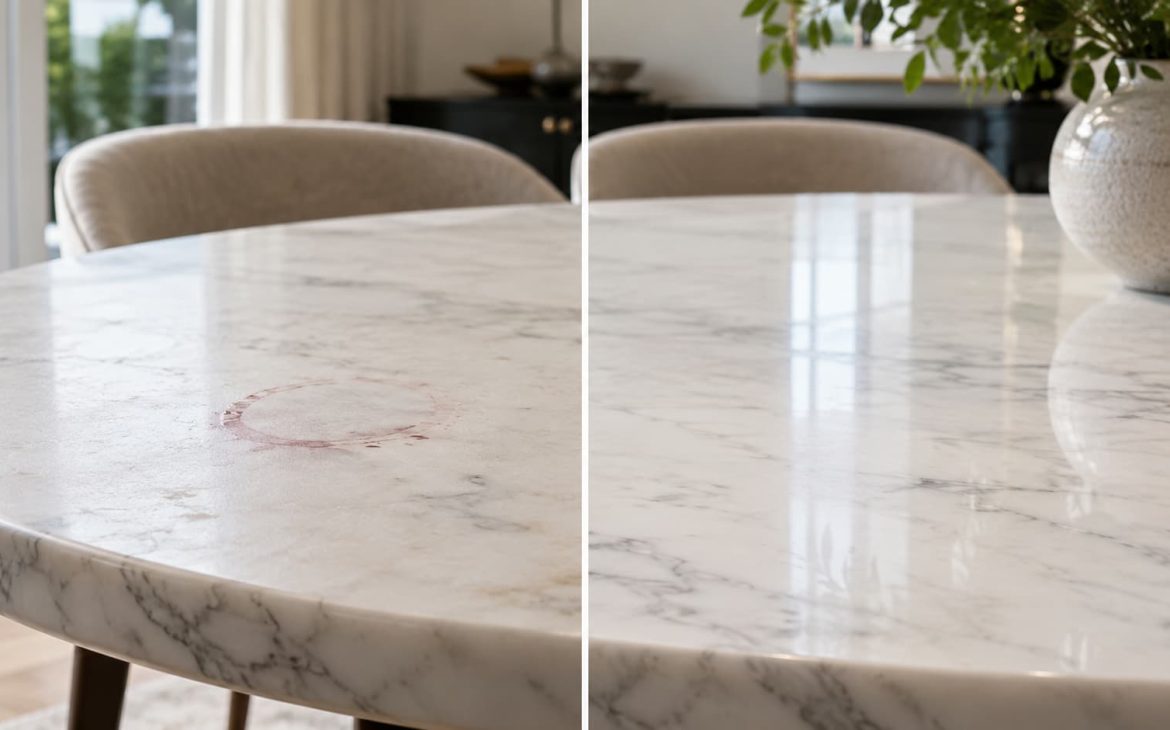
Protecting your marble table from stains isn’t a one-time event; it’s an ongoing commitment. Implementing a consistent long-term care routine will ensure its beauty endures for generations. This continuous attention is key to truly understanding how to protect marble table from stains.
Routine Cleaning Best Practices
Daily or weekly, depending on use, wipe your marble table with a soft, damp cloth. For a deeper clean, use a pH-neutral stone cleaner. Always ensure the cleaner is specifically safe for marble. Avoid dusting sprays that contain waxes or silicones, as these can build up over time and attract dust or leave a film. Consistent, gentle cleaning prevents grime buildup and keeps the surface fresh.
Buffing and Polishing for Luster
Over time, even with careful use, marble can lose some of its original luster. For polished marble, a professional-grade marble polish (not a general furniture polish) can help restore its shine. These products are usually applied with a soft cloth and buffed to a sheen. For honed marble, maintaining its matte finish often involves less polishing, but regular cleaning is still paramount. If your marble develops light scratches or dullness from etching that DIY methods can’t fix, a professional can re-hone or re-polish the surface.
Annual Inspections and Re-sealing
Make it a habit to inspect your marble table annually. Look for any new signs of etching, scratches, or areas where the sealer might be failing (remember the water test!). Re-apply your penetrating sealer as needed, typically every 1-2 years, depending on the factors mentioned earlier. This proactive approach to re-sealing is the most critical long-term strategy on how to protect marble table from stains. It refreshes your primary defense barrier and ensures continuous protection.
Frequently Asked Questions of how to protect marble table from stains
How often should I seal my marble table to prevent stains?
You should typically seal your marble table every 1-2 years, but this can vary depending on its porosity and usage. Perform a water test annually: if water soaks in quickly, it’s time to re-seal.
Can I use regular household cleaners on my marble table?
No, most regular household cleaners contain acidic or abrasive ingredients that can etch or scratch your marble. Always use a pH-neutral cleaner specifically designed for natural stone.
What should I do if I spill red wine or coffee on my marble table?
Immediately blot the spill with a soft, clean cloth—do not wipe. Then, clean the area with a pH-neutral stone cleaner. For stubborn stains, a homemade poultice might be necessary.
Will coasters really prevent all stains on my marble table?
While coasters are excellent for preventing rings and etching from glasses, they won’t protect against all types of spills. They are a crucial first line of defense, but immediate cleanup of any spill is still essential.
Is it possible to remove an old, set-in stain from a marble table?
Removing old, set-in stains can be challenging, but often possible. A professional-grade poultice or the expertise of a stone restoration specialist may be required to draw deep-seated discoloration out of the marble.
Conclusion
Protecting your marble table from stains is an achievable goal, not a daunting task. By embracing the right blend of preventative measures, diligent daily habits, and swift, informed action when spills occur, you can safeguard your investment and preserve the inherent beauty of your natural stone. Remember, the journey of how to protect marble table from stains starts with understanding its vulnerabilities and then consistently applying smart solutions, from regular sealing to always reaching for a coaster.
Don’t let the fear of a spill diminish your enjoyment of this magnificent material. Embrace these guidelines, and your marble table will continue to be a stunning centerpiece in your home for many years to come. For more insights into stone care or to find recommended products, consider exploring our care hub.
Start implementing these tips today, and share your own marble care successes in the comments below