

The best couch material for most homes is a performance fabric with a tight weave and a high rub count. But “most homes” isn’t your home, and that’s the whole point of this guide.
I’ve spent the last few years testing and specifying sofas for busy families, pet owners, and design clients who all swore they’d never buy the wrong couch again. Guess what? Most of them almost did. Not because they picked an ugly fabric, but because nobody told them what actually matters: rub counts, weave tightness, cleaning codes, the stuff that decides whether your couch still looks good in year three or looks like it lost a fight with a golden retriever.
So let’s fix that. Here’s everything I look at when I help someone find the right couch material for their actual life, not just their Pinterest board.

What Makes the Best Couch Material?
Here’s the thing about couch shopping: color and shape get all the attention, but material is what determines whether you’re happy with this purchase in six months or stuck staring at a stain you can’t get out.
A great couch has to do two jobs at once. It has to look good, and it has to survive real life. The best couch material for your home balances comfort, durability, and how easy it is to keep clean. It should also fit your climate and your daily habits, not just your color scheme.
When I’m helping someone choose, here’s my checklist:
- Durability. Look for 30,000+ double rubs on the Wyzenbeek test, or 20,000+ cycles on Martindale, for everyday use. Go higher if you have kids or pets.
- Weave tightness. A tighter weave snags less and hides wear longer.
- Stain resistance. Solution-dyed fibers and performance finishes stop spills before they set in.
- Cleanability. Check the cleaning code on the tag: W, S, WS, or X. W is the easiest for DIY cleanup.
- Comfort. You have to actually like how it feels. Sit on it, don’t just look at it.
- Breathability. Hot climates want something cool. Cold rooms love a cozy, textured fabric.
- How it ages. Some materials get better with time (hello, leather). Others just look tired.
If you want the full breakdown of fabric specs and care labels, my materials guide walks through all of it.
Couch Material Comparison at a Glance
Before we go deep on each option, here’s the short version. I put together this table so you can compare the big categories side by side instead of scrolling through paragraphs.
| Material | Durability (double rubs) | Best For | Care Level |
|---|---|---|---|
| Performance fabric | 30,000–100,000+ | Kids, pets, everyday life | Easy (W or WS code) |
| Natural fabric (cotton, linen) | 15,000–30,000 | Breathable comfort, a luxe look | Moderate |
| Leather (full or top-grain) | Wipes clean, doesn’t wear the same way | Long-term use, low allergens | Easy to moderate |
| Performance velvet or chenille | 30,000–50,000+ | Style, softness, drama | Moderate |
Quick gut-check: if you want the shortest path to “good enough for real life,” performance fabric wins almost every time. If you’re chasing something that ages beautifully and don’t mind a little upkeep, leather earns its price tag.
Which Couch Material Is Most Durable?
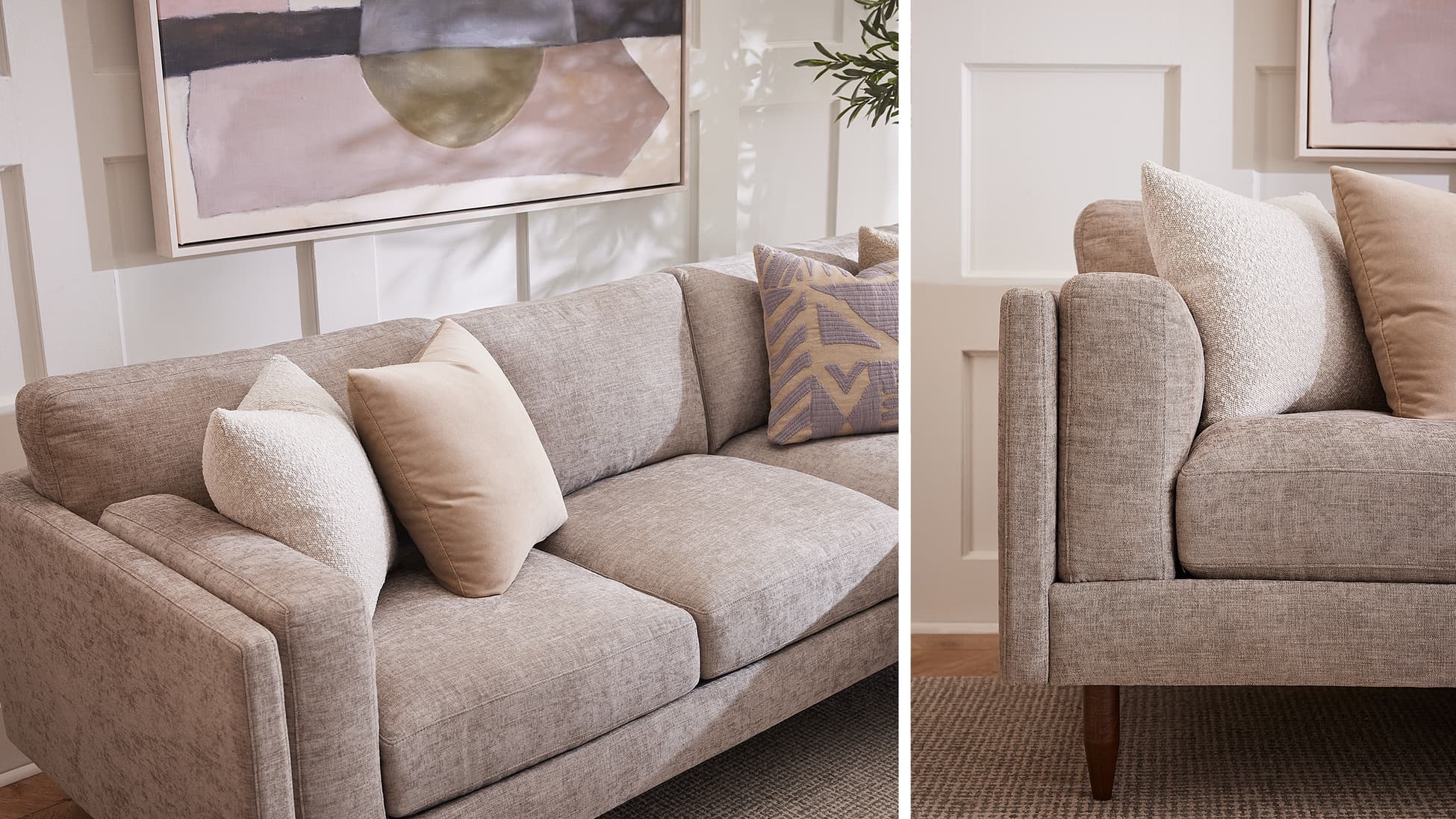
This is the question I get asked more than any other, so let’s answer it head-on instead of burying it in a bullet point.
Ranked by real-world toughness, here’s how the major couch materials stack up:
- Performance fabric. Polyester, microfiber, olefin, and acrylic blends routinely hit 30,000 to over 100,000 double rubs. This is your top pick for households with kids, pets, or just a lot of daily couch time.
- Leather (full-grain and top-grain). Leather doesn’t get a double-rub score the same way fabric does, but it wipes clean, resists punctures better than most people expect, and can outlast several fabric sofas if you take care of it.
- Performance velvet and chenille. Modern performance versions of these fabrics land around 30,000 to 50,000 double rubs, which is a big jump from old-school velvet that used to crush and shed at the first sign of use.
- Natural fiber (cotton, linen, wool). These sit lower, usually 15,000 to 30,000 double rubs, unless you go with a performance-treated blend that bumps the number up.
Where do those numbers come from? Double rubs are measured with something called the Wyzenbeek test, where a machine rubs fabric back and forth until it starts to wear. It’s the industry standard in North America, and if you want the nerdy details on how it works, Sailrite has a clear breakdown of the Wyzenbeek test.
One thing worth remembering: the highest rub count isn’t automatically the best couch material for you. A 100,000-rub fabric in the wrong color or texture for your space is still the wrong sofa. Use durability as a filter, not the whole decision.
Deep Dive Into Popular Couch Materials
Performance Fabrics:
Performance fabrics often end up being the smartest pick for anyone with a busy household. They resist stains, shrug off fading, and clean up fast.
- Polyester and microfiber. Dense fibers block spills before they soak in. Pet hair wipes right off.
- Olefin. Excellent fade resistance, which makes it a smart pick for sunny rooms or outdoor-adjacent spaces.
- Acrylic and solution-dyed acrylic. Soft to the touch, holds color well, and works great in bright, light-filled rooms.
Look for 30,000 to 100,000 double rubs, and don’t be shy about asking a retailer for a spill demo before you buy.
Here’s a quick story: I once tested red wine on a solution-dyed fabric sample in a client’s kitchen (with her permission, don’t worry). It beaded right up. We blotted it, and it vanished like nothing happened. That couch is still going strong years later.
Want to see one done right? The Burrow Nomad uses a stain-resistant performance weave over a modular frame, spill-proof enough for kids and pets, and you can add seats as life changes.
Natural Fabrics:
If breathability and a timeless look matter more to you than bulletproof stain resistance, natural fiber might be the right fit for you.
- Cotton. Soft, breathable, and needs a protective finish to hold up against stains.
- Linen. Cool, elegant, and yes, it wrinkles. That’s part of the charm, not a flaw. Choose a tight weave or a performance linen blend if you want more durability.
- Wool blends. Cozy, resilient, and naturally stain-resistant in a way that surprises most people.
Ask for performance-treated versions when you can. You get the natural feel with a lot more protection.
Leather Types:
Leather earns its reputation as a top pick for anyone who wants something that lasts and cleans up with almost zero effort. But not all leather is the same.
- Full-grain. The most durable option. It shows natural marks and ages beautifully over time.
- Top-grain. A slightly treated surface. Still strong, a bit easier to maintain day to day.
- Corrected-grain. A heavier finish gives a more uniform look at a lower price point.
- Bonded leather. Skip this one if you can. It tends to peel within a few years.
- Vegan leather (PU). Soft and budget-friendly, though it wears faster than the real thing. Newer high-grade versions have gotten noticeably better.
A great example: the Article Sven in full-grain leather, top-grain durability, that lived-in patina, and a mid-century look that wipes clean in seconds.
Ask about thickness and finish before you buy. Aniline leather looks the most natural and develops a gorgeous patina. Semi-aniline adds a thin protective layer if you want a bit more peace of mind. For care routines once you’ve got one home, my faux leather cleaning guide covers step-by-step upkeep.
Velvet and Chenille:
Velvet can absolutely be the right choice if you want drama and comfort in the same piece. Performance velvet resists stains and crushing far better than the velvet your grandma had.
- Performance velvet. Dense pile, real stain protection, and rich color that photographs beautifully.
- Chenille. Plush, forgiving of everyday mess, and remarkably comfortable. Performance versions clean up easily.
For performance velvet done well, look at the Albany Park Kova sofa, dense pile, rich color, and a stain-resistant finish that shrugs off the crushing that ruins cheaper velvet.
Not sure if velvet fits your life? I break it all down in my Boucle vs Velvet Sofa guide. And if you’re leaning into deeper, richer tones at home, you’ll probably enjoy my 21 Moody Living Room Ideas, where I show how to style these materials in a full room.
Velvet vs. Linen vs. Microfiber: Head to Head
These three come up constantly when people are torn between two very different vibes: cozy-luxe versus practical-easy. Here’s how they actually compare.
| Velvet (performance) | Linen | Microfiber | |
|---|---|---|---|
| Durability | High | Moderate | High |
| Comfort | Very soft, warm | Cool, breathable | Soft, warm |
| Stain resistance | Good (performance grade) | Fair, needs protection | Excellent |
| Pet-friendly | Good | Fair | Excellent |
| Price tier | Mid to high | Mid to high | Budget to mid |
My honest take: if you’re chasing a designer look and don’t mind a little extra care, performance velvet wins. If you love a breathable, airy feel and live somewhere warm, linen is worth the slightly higher maintenance. And if your top priority is “I need this to survive my life,” microfiber is the practical, budget-friendly answer almost every time.

Sofa Cushion and Fill Material Guide
Nobody talks about this enough, and it drives me a little crazy, because the fill inside your cushions affects comfort and lifespan just as much as the fabric on the outside. You can pick a great fabric for the upholstery and still end up disappointed if the fill underneath is cheap.
- High-resiliency (HR) foam. Holds its shape well over years of use. My go-to recommendation for households with kids or pets who need a couch that bounces back.
- Memory foam blends. Sinks in for a plush, hugging feel. Comfortable, but it can soften faster than HR foam under heavy daily use.
- Down-wrapped foam. A foam core wrapped in a layer of down or feather for a hotel-level plush sit. Gorgeous, but you’ll need to fluff and rotate the cushions regularly to keep the shape.
- Poly-fiber blend. A budget-friendly filler, often used alongside foam. Softer initially, but it flattens faster than foam-based options.
For density, look for at least 1.8 pounds per cubic foot, and go 2.0 or higher if you want the cushions to hold their shape for the long haul. If you care about what’s inside your foam, look for the CertiPUR-US certification, which verifies the foam is tested for content, emissions, and durability.
Quick care tip: rotate and fluff your cushions weekly, even the “low maintenance” ones. It’s a thirty-second habit that adds years to how good your couch looks.
Best Couch Material by Lifestyle
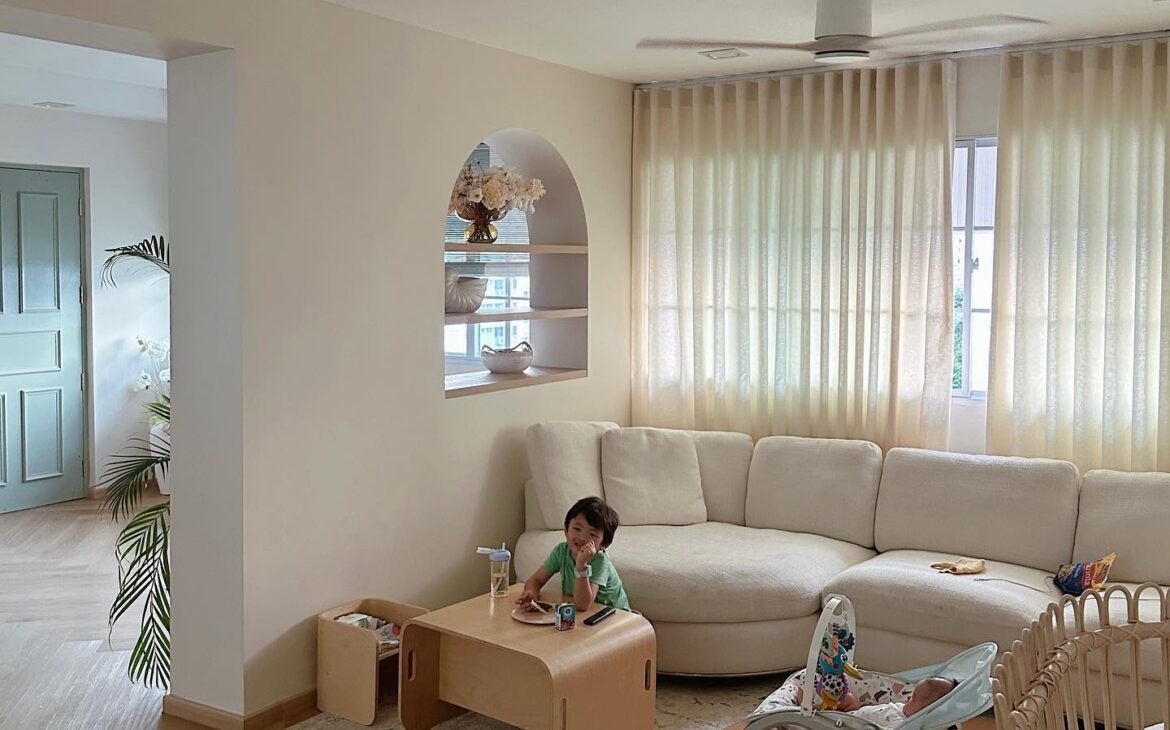
This is where a lot of guides stop short, and I think it’s the most useful part. Because the truth is, there’s no single best couch material for everyone. There’s a best one for you.
Homes with Kids and Pets:
- Go with performance fabric in a tight weave: microfiber, solution-dyed polyester, or acrylic.
- Aim for 50,000+ double rubs if you can.
- Pick medium tones or small patterns. They hide mess far better than solid light colors.
- Look for removable, washable cushion covers. This alone will save your sanity.
Shop this: the Burrow Nomad, a stain-resistant performance weave, spill-proof cushions, and modular pieces you can hose-off-and-swap as the chaos demands.
Pairing tip: if you go this route, a machine-washable area rug makes cleanup even easier.
Hot or Humid Climates:
- Linen blends or breathable performance fabrics feel noticeably cooler.
- Skip sticky faux leathers. If you love the leather look, go semi-aniline or top-grain instead.
Shop this: the Castlery Dawson in performance fabric, breathable, non-sticky, and it won’t get clammy the way cheap faux leather does in humidity.
Allergy-Sensitive Households:
- Tight-woven performance fabrics trap less dust than loose weaves.
- Leather is a smart choice here since it doesn’t hold onto allergens the way fabric can.
- Removable, washable covers give you an easy reset whenever you need one.
Shop this: the Article Sven in top-grain leather, no fibers to trap dust or dander, and a quick wipe-down is all the cleaning it needs.
Rental or First Apartment:
- Performance fabric in a mid-tone color gives you the most flexibility.
- Look for stain warranties and simple cleaning codes.
- Skip bonded leather. It won’t survive a couple of moves.
Shop this: the IKEA Söderhamn in a performance cover, mid-tone, affordable, and the covers pop off for a wash (or a fresh look in your next place).
“Forever” Sofa Buyers:
- Top-grain or full-grain leather ages beautifully and can last for decades. If leather’s the plan, my leather couch cleaning guide will keep it looking its best.
- Performance linen blends give you a high-end look with a lot less stress than pure natural linen.
- Spend where it counts: better foam density and a solid hardwood frame.
Shop this: the Arhaus Bainbridge Leather Sofa (from $8,800), hand-built in North Carolina on a cross-directional hardwood frame with a recycled-steel suspension system and full-grain leather that only looks better with age. This is the buy-once, pass-it-down piece.
Frame and Weave: The Rest of the Sofa System
Here’s something people forget: the best fabric in the world can’t save a sofa with a weak frame. A sofa is a system, and every part of that system matters.
What I check on the build itself:
- Frame. Kiln-dried hardwood with corner blocks and solid joinery. This is the skeleton, and it’s not worth skimping on.
- Support. Sinuous springs or eight-way hand-tied construction for a classic, long-lasting build.
- Wrap. Down or fiber wrap on top of the foam softens the sit. Bench-cushion styles look clean but tend to show wear faster than separate cushions.
- Weave. Tighter weaves resist pilling and snagging far better than loose ones.
On heavy-use sofas, I’m looking for 30,000 to 100,000 double rubs on Wyzenbeek, or 20,000 to 50,000 cycles on Martindale. That range covers most busy households comfortably.
Sustainable and Low-VOC Choices
You don’t have to trade durability for a greener choice. There are some solid options if this matters to you, and it probably should, given how much time we spend on our couches.
Good picks:
- Natural fibers finished with low-chemical treatments
- Recycled polyester performance fabrics
- Water-based finishes and low-VOC adhesives
Certifications worth looking for:
- GREENGUARD Gold for low chemical emissions
- OEKO-TEX Standard 100 for fabric safety
- CertiPUR-US for foam free of harmful chemicals (more on that in the cushion section above)
One small but useful tip: even with certified-safe materials, air out a brand-new couch for a few days after delivery. It cuts down on that “new furniture” smell fast.
For a look at how different furniture brands handle materials and finishes, check out my Complete Furniture Brand Comparison Guide.
Care and Maintenance by Material
Even the best couch material still needs a little upkeep. The good news? A few small habits go a long way.
General basics for every couch:
- Vacuum weekly with an upholstery attachment.
- Blot spills immediately. Don’t rub, you’ll just spread it.
- Rotate cushions monthly so wear spreads evenly.
For fast fixes and emergency spill tricks, my Quick Fixes for Furniture Stains & Damage guide has you covered.
By material:
- Performance fabric. Mild soap and water on W or WS codes. Rinse and blot dry.
- Natural fabric. Use a fabric protector spray. For S-coded fabrics, use a solvent-based cleaner sparingly.
- Leather. Dust regularly, condition every 6 to 12 months, and keep it out of direct sun. If your sofa is faux leather, my cleaning guide has the exact steps.
- Velvet. Brush the nap gently with a soft brush, and use a steamer to lift crush marks.
One habit I recommend to every client: keep a small upholstery kit in a drawer nearby. White cloths, mild soap, a soft brush, and an enzyme cleaner for pet accidents. Fast action really does save couches.
Budget Guide: What to Expect at Each Price Tier
You can find the best couch material at almost any budget. Here’s what your money actually buys you at each level.
- Under $800. Basic polyester, thinner frames, lower foam density. Fine for a short-term or first-apartment situation.
- $800 to $2,000. Better performance fabrics, tighter weaves, sturdier frames. This is the sweet spot for most households.
- $2,000 to $5,000. Top-grain leather, performance linen, premium velvet, high-density foam. Built for the long haul.
- $5,000 and up. Full-grain leather, custom fabrics, heirloom-quality frames. Lifetime-level furniture if you take care of it.
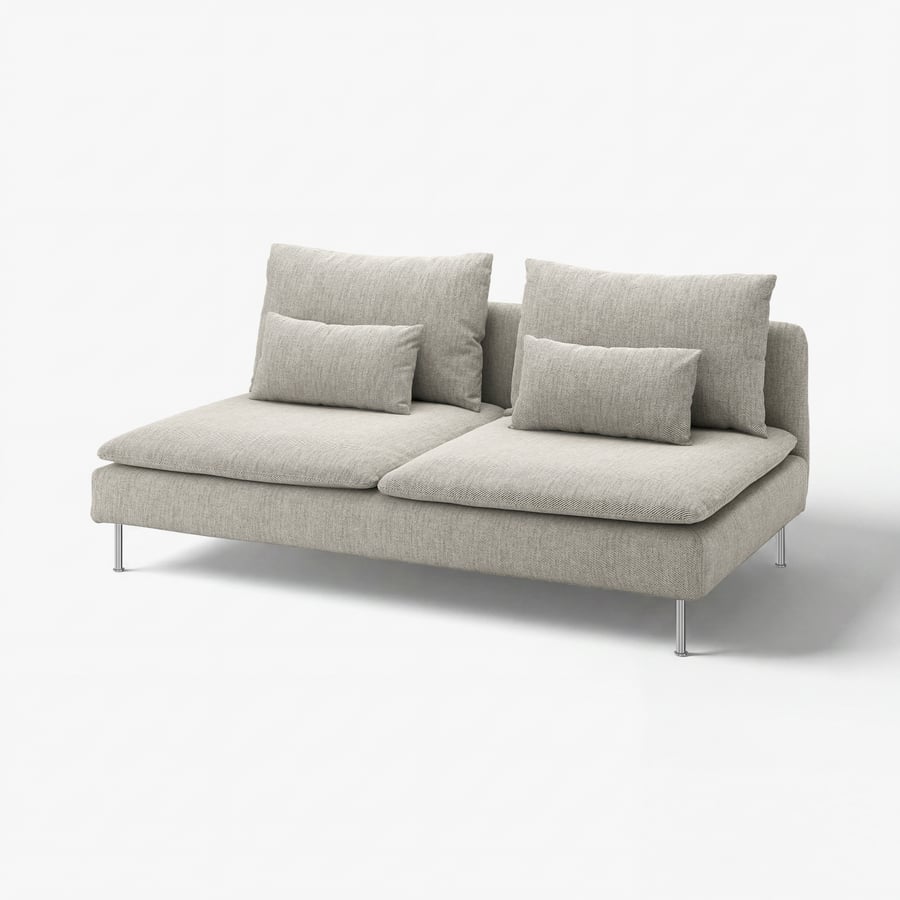
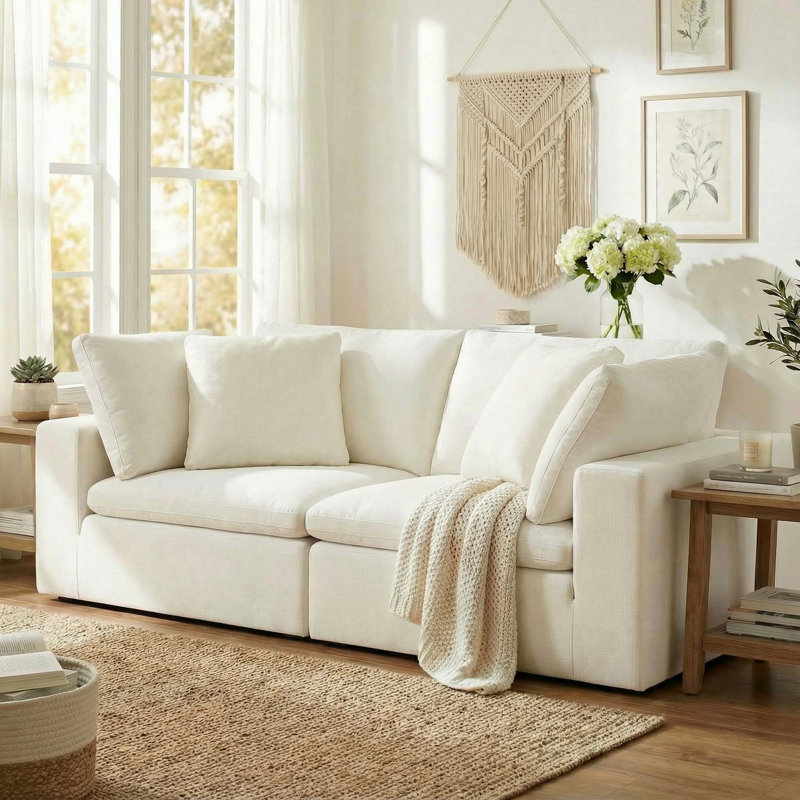


If you love the look of pieces at the top of that range but not the price tag, this is exactly the kind of gap my designer dupes guides are built to close.
How to Test a Couch In-Store or Online
Use this checklist to figure out if a sofa is actually the best couch material for you, not just a good sales pitch.
In person:
- Sit for 5 to 10 minutes. Notice comfort and temperature, not just first impressions.
- Rub the fabric with your hand. Does it snag or shed?
- Ask for rub counts, cleaning codes, and fabric composition.
- Request a spill test if the store allows it.
Online:
- Read the fabric specs and rub counts before you buy.
- Look for cleaning codes and any stain guarantees.
- Check the return policy and whether swatches are available.
- Order swatches and spill-test them at home with water and coffee.
Common Mistakes to Avoid
I’ve seen every one of these mistakes play out with real clients, so consider this your shortcut past them.
- Choosing by color or shape alone, without checking the specs.
- Ignoring your climate. Breathable fabric matters more than people expect in a hot room.
- Picking bonded leather to save money. It almost always peels within a couple of years.
- Skipping the swatch test. Always test fabric at home before committing.
- Forgetting the frame. A great fabric on a weak frame still fails you.
Frequently Asked Questions
What is the best couch material for pets and kids?
Performance fabrics like microfiber, polyester, or solution-dyed acrylic are your best bet. They resist stains, clean up fast, and pet hair doesn’t cling to them the way it does to natural fiber.
Is leather or fabric better for long-term use?
Top-grain and full-grain leather can last decades with proper care. High-quality performance fabric holds up well too, and it’s often easier to live with day to day.
How do I know if a fabric is durable?
Check the rub count on the label or spec sheet. Look for 30,000+ double rubs on the Wyzenbeek test, or 20,000+ cycles on Martindale, for everyday use.
What is a couch made of?
Most modern couches have three layers: a hardwood frame, a support system (springs or webbing), and a foam-and-fabric (or leather) top layer. The upholstery material is just the outermost piece of a bigger system.
Is velvet a good material for a couch?
Yes, especially performance velvet. It resists stains and crushing far better than older velvet fabrics, and it adds a level of softness and richness that’s hard to match with anything else.
Which couch fabric is coolest in hot weather?
Linen and linen blends feel the coolest and most breathable. Performance versions of linen give you that same cool feel with a lot less maintenance.
What cleaning code should I look for?
W and WS codes are the easiest to clean at home. S means solvent-only cleaning, and X means it needs a professional clean.
Conclusion
Finding the best couch material really comes down to fit, not hype. Match the material to your lifestyle, your climate, and how much upkeep you’re realistically willing to do. Check the specs, order a swatch, and go with a tight weave and a strong rub count.
Use everything in this guide to shortlist two or three options, then order swatches this week. Sit with them. Spill-test them. Pick the one that feels right in your space, not just in a showroom.
Want more guides like this one? Drop your questions in the comments and I’ll help you find the best couch material for your home.

1 thought on “Best Couch Material for Your Lifestyle: The Full 2026 Guide”