

Not every room refresh needs a four-figure budget. Some of the best prime day budget home decor wins this year sit comfortably under $100, and a few of them cost less than a takeout dinner for two.
That’s not a consolation prize. Small, well-chosen pieces do more for a room than most people expect. A new pair of lamps, a textured rug by the front door, or a single oversized art print can shift how a whole space feels, and Prime Day happens to be one of the best windows of the year to grab them for less.
We went through the categories that consistently deliver real value at this price point, checked the discount patterns against price history, and pulled out the picks worth your money. Every category below comes with a price range, an honest note on what to expect, and a flag for anything that’s a waste of money no matter how good the percentage off looks.
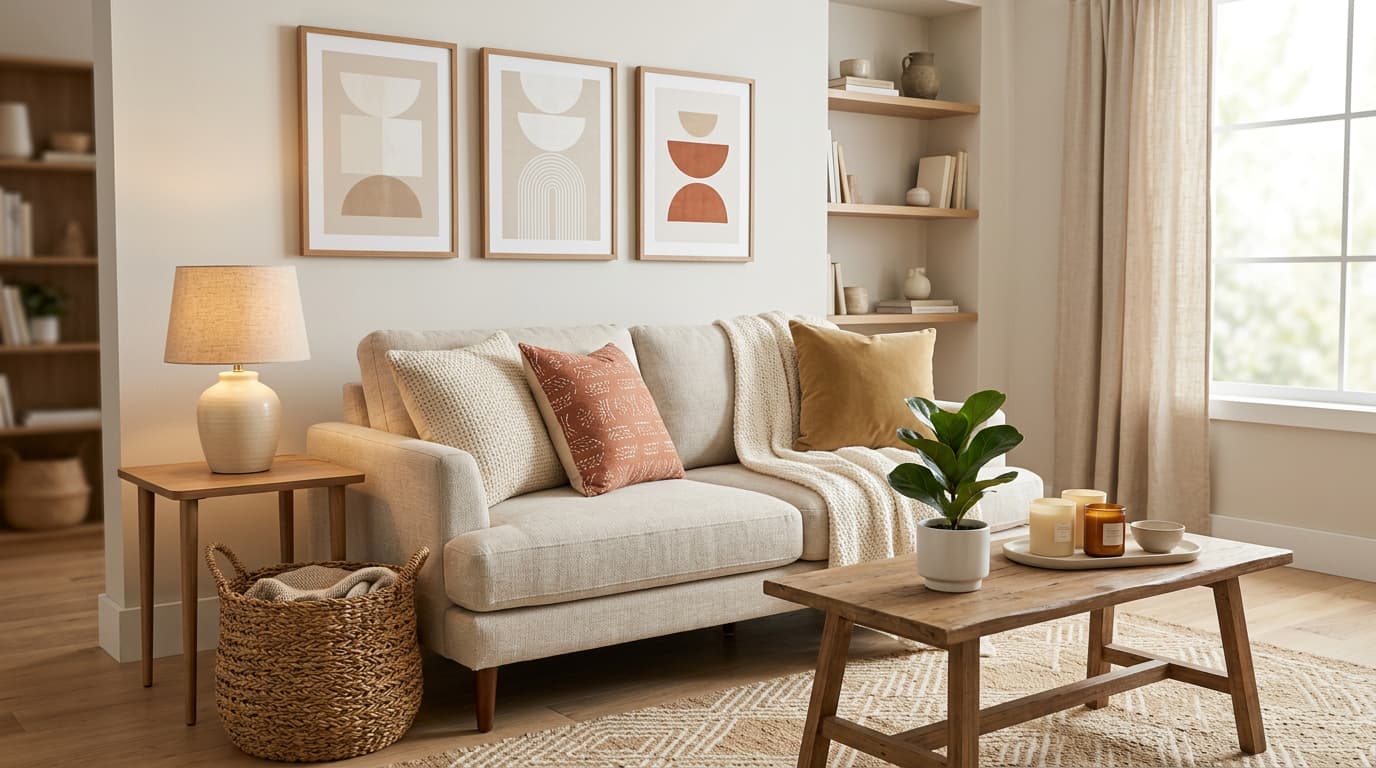
How We Picked These
Quick note on our filter before the list. We only included categories where a sub-$100 budget genuinely competes with pricier alternatives, not categories where cheap just means cheap.
A throw pillow cover, for instance, is mostly fabric and stitching. There’s only so much that separates a $15 cover from a $90 one, and most people can’t tell the difference from across a room. A sofa, on the other hand, has real construction tiers that show up after a year of use, which is why you won’t see furniture on this list. We cover that territory, and the deals worth trusting, in our luxury furniture brand guide instead.
Everything here got a quick gut check too: does this still look good in six months, or does it start looking tired the second the Prime Day excitement wears off? We skipped anything that fails that test.
Throw Pillow Covers ($15 to $35 for a set of two)


This is the single highest-impact category on the list, dollar for dollar.
Buy covers without inserts. They’re cheaper, they pack flat for storage, and they let you swap a sofa’s whole personality with the seasons without buying new pillows every time. Pair the covers with separate down-alternative inserts (around $10 each), which look plumper and more expensive than the thin foam inserts that ship with most budget cover sets.
Stick to texture over pattern if you want the high-end look without trying too hard. Bouclé, ribbed velvet, and linen blends in cream, sage, or terracotta read as considered. Busy printed patterns tend to date faster and clash with whatever else is in the room.
Prime Day discount pattern: real and consistent. Pillow covers are one of the few categories where a 30% Prime Day markdown usually checks out against price history.
Table Lamps ($28 to $65)


A good lamp does more design work per dollar than almost anything else in a room, and the gap between an expensive-looking lamp and an actually expensive one has gotten genuinely small.
Look for a ceramic or stoneware base over plastic. Brushed brass or aged bronze hardware reads as higher-end than chrome or matte black, though either works fine if it matches your room’s other metal finishes. A natural linen shade beats a glossy or printed one almost every time.
One detail most people skip checking: confirm the bulb base is a standard E26 socket, not the smaller E12 candelabra base some budget lamps use. E12 bulbs cost more and you’ll have fewer style options if you ever want to switch them out.
Prime Day discount pattern: solid. Lamps in this category often drop another $10 to $20 below their already-reasonable list price during the event.
Baskets and Woven Storage ($18 to $45)


Seagrass, rattan, and cotton rope baskets solve two problems at once. They hide clutter and they add texture, which is the cheapest design trick that nobody talks about enough.
Buy two or three in slightly different heights for a shelf or floor grouping rather than one large basket alone. The varied scale reads as styled instead of functional. For closets and laundry rooms, plain cotton rope versions in white or natural tones look clean without trying to be decorative, which is exactly right for spaces nobody’s meant to linger in.
Check the weave tightness in review photos before buying. A loosely woven basket sags under weight within a few months. A tightly woven one holds its shape for years.
Prime Day discount pattern: good. Expect 20% to 35% off, and the numbers tend to check out against price history since these items rarely get marked up artificially before the sale.
Faux Botanicals ($20 to $50)


Artificial plants have gotten genuinely convincing over the past few years, and the $20 to $50 range is where that improvement actually shows up.
Monstera, olive branch, and pampas grass stems are the safest bets right now. They photograph well, they hold up in low-light rooms where real plants struggle, and they don’t require the slightly fake gloss that cheaper plastic plants have.
Stay above $20 per stem if you want it to pass as real from a few feet away. Below that, the leaves usually have a uniform shine and repetitive shape that gives the game away immediately. Real plant leaves vary slightly in size and angle, and the better fake versions copy that imperfection on purpose.
Prime Day discount pattern: moderate. These don’t see huge swings, but a 15% to 25% drop is common and genuine.
Candle Holders and Trios ($25 to $40 for a set of three)


A cluster of varied-height candlestick holders does more for a console table or mantel than almost any single decor item you could buy at this price.
Buy in odd numbers, three is the sweet spot, and vary the heights noticeably rather than picking three that are nearly identical. Mixed metal finishes (a couple in brass, one in a darker bronze) look more intentional than a matched set straight out of the box.
Skip anything advertised as “luxury” or “designer-inspired” in the listing title at this price. That language is doing marketing work, not describing the actual material, and it usually means a slightly higher price for the exact same product as the listing next to it.
Prime Day discount pattern: small but real, usually $5 to $10 off per set. Not dramatic, but worth grabbing if you needed them anyway.
Framed Wall Art ($25 to $55 for a set of two or three)


Abstract or botanical prints in simple black or natural wood frames are the easiest way to fill blank wall space without committing to a single huge, expensive piece.
Hang multiples with consistent spacing, roughly two to three inches apart, rather than scattering them at random heights. Even spacing reads as intentional. Random placement reads as a work in progress, even when the individual prints are nice.
Size matters more than most people expect. A small 8×10 print over a sofa looks lost. Go bigger than your instinct says, especially over furniture, or group several smaller prints together to fill the same visual space a single large piece would.
Prime Day discount pattern: real, often 20% to 30% off, and one of the more reliable categories for an honest markdown.
Decorative Trays ($15 to $35)


A tray is the cheapest organizing trick in interior design. It takes a pile of stuff sitting on a coffee table or dresser and turns it into a deliberate little vignette.
Wood, marble-look, or woven trays all work depending on the room’s other materials. Match the tray’s finish to something else nearby; a wood tray near wood furniture, a stone-look tray near a stone-look side table. Keep what’s on top of it to three or four items max. A crowded tray defeats the purpose.
Prime Day discount pattern: modest, usually $5 to $10 off, but trays rarely cost much to begin with, so the absolute savings matter less than the styling payoff.
Small Accent Rugs ($25 to $60)


We’re not talking about a living room rug here. Think entryway runners, bathroom mats, or a small accent rug under a reading chair, sizes where a sub-$60 budget genuinely competes with pricier options.
Look for a low pile in a high-traffic spot like an entryway, since plush styles flatten and stain faster underfoot. A washable cotton or jute blend handles spills and mud far better in these spots than a wool blend that costs more anyway.
Prime Day discount pattern: very real. Small rugs see some of the most consistent and verifiable discounts during the event, often 30% to 40% off.
Small Mirrors ($30 to $70)

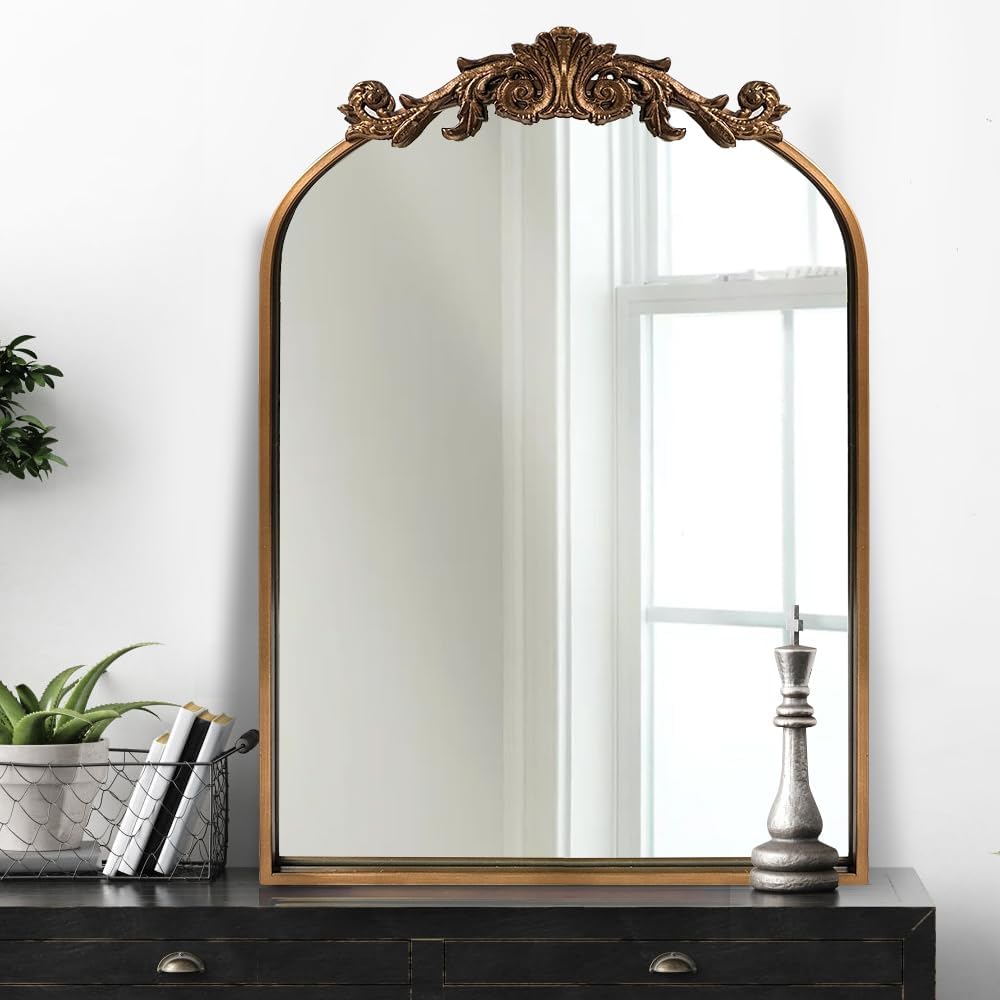
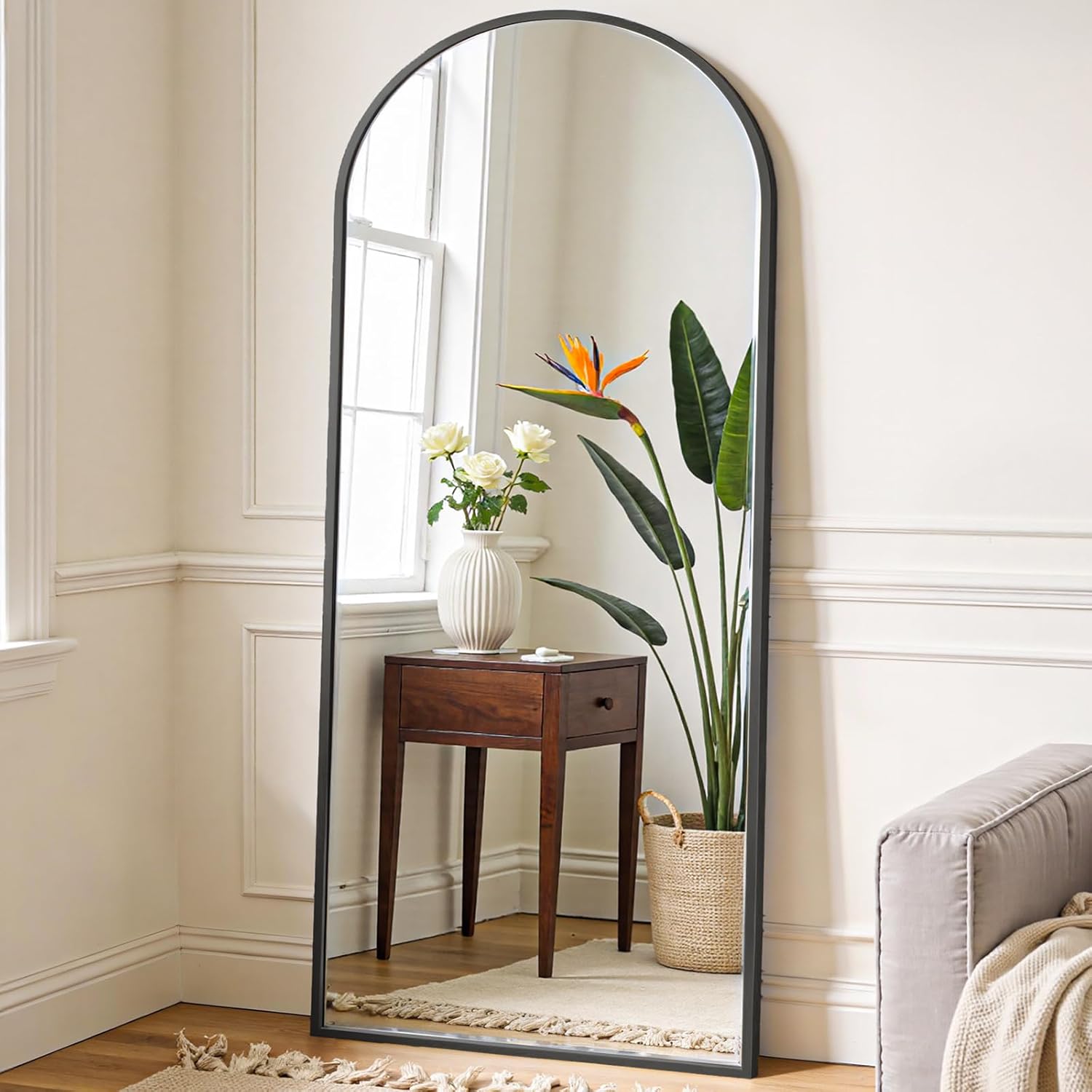
A round or arched mirror does double duty: it’s decor and it makes a room feel bigger by bouncing light around.
Arched and asymmetric shapes read as more current than a plain round mirror right now, though round still works in most rooms without looking dated. Check the frame material specifically. A metal frame in brass or black holds up well. Plastic frames painted to look like metal tend to chip at the edges within a year of normal handling.
Hang it somewhere it’ll actually reflect a window or a light source. A mirror facing a blank wall does half the job a well-placed one would.
Prime Day discount pattern: good, typically 20% to 30% off, and genuine since mirrors don’t usually carry the inflated “was” pricing some furniture does.
What to Skip Under $100
A short, honest list of categories where this price range just doesn’t deliver.
Bedding. You sleep in it every night, and the quality gap between $40 sheets and $90 sheets shows up fast. This is one category where it’s worth spending slightly more, Prime Day or not.
Anything described only as “marble-look” with no material specified. A lot of cheap “marble” decor is printed acrylic or high-gloss plastic, which scratches and dulls within months. If the listing doesn’t say stone composite or resin, assume the worst.
Large area rugs under $60. A 5×8 or bigger rug at this price is almost always thin enough to shed constantly and wear unevenly within a year. Small accent rugs are fine at this price. Large ones aren’t.
Real-looking faux flowers under $15 a stem. Below that price, the uniform shine and repetitive leaf shape make the fake obvious from across the room.
How to Make These Look More Expensive Than They Cost
A few habits that change the entire impression of a budget piece.
Remove all packaging, tags, and labels the instant something arrives. Sounds obvious, but a forgotten sticker on the bottom of a vase is the single fastest way to announce a budget price.
Group items in odd numbers. Three candles, three vases, three framed prints. Odd numbers read as styled. Even numbers read as a matched set you bought together, which subtly signals less consideration.
Stick to two or three materials repeated throughout a room: maybe a warm wood tone, a matte ceramic, and one metal finish. Repetition across cheap pieces makes them look chosen, not just collected.
And don’t skip the last step: step back and look at the room from the doorway, not up close. Most budget decor reads fine from a normal viewing distance. The flaws only show up if you’re staring at it from six inches away, which almost nobody does in real life.
Frequently Asked Questions
Is Amazon home decor under $100 actually good quality?
It depends heavily on the category. Low-contact decorative pieces like vases, baskets, trays, and framed art hold up well at this price because they don’t take physical stress. High-contact categories like bedding and large rugs show their quality tier fast, and the budget version usually shows wear within months. The list above flags exactly where the sub-$100 budget works and where it doesn’t.
What’s the best Prime Day budget home decor category to start with?
Throw pillow covers and table lamps give you the most visible change for the smallest spend. Both transform a room’s feel quickly, and both see genuinely reliable Prime Day discounts that check out against price history.
How do I know if a budget decor discount is real?
Use CamelCamelCamel to check the item’s price history before buying anything over $20. If the current price sits near the lowest point in the past 90 days, the discount is real. If it’s only slightly below the average, you’re looking at regular pricing dressed up with a sale badge.
Can budget decor actually look luxury?
Yes, within limits. Material and finish matter more than price for low-contact decorative items. A matte ceramic vase or a brass-toned lamp can look genuinely high-end at $30. What budget decor can’t fake is durability under daily use, which is why bedding, large rugs, and furniture need a bigger investment regardless of how good a Prime Day deal looks.
How many items should I buy in one category?
For pillows, candles, and vases, buy in odd-numbered groups of three. For baskets, two or three in varied heights works better than a single matching set. Buying too many of one identical item tends to look uniform rather than intentional, even when each individual piece is a good find.
The Bottom Line
You don’t need a big budget to make a room feel finished. The categories above consistently punch above their price during Prime Day, and a sub-$100 spend in any of them genuinely changes how a space reads.
Skip the categories where price tier actually matters, like bedding and large rugs, and save your bigger spending for those. Everything else on this list is fair game, and we’ve checked the discount patterns so you don’t have to guess which ones are real.
For the full event coverage, including our top live picks once Prime Day starts, visit our Prime Day home decor hub, or browse our designer dupes guide for slightly bigger spends that still beat the luxury originals on price.