

Want your sofa to look and smell brand new?
Upholstered furniture can look worn and tired in no time. Whether it’s coffee stains, pet hair, or everyday dust, the secret to long‑lasting upholstery lies in proper cleaning—but you don’t need professional cleaning services to refresh it. With the right fabric knowledge, a few simple tools, and a gentle cleaning routine, you can learn how to clean upholstery safely at home without fading, shrinkage, or water damage.
This guide walks you through identifying your upholstery fabric, choosing the right cleaner, treating common stains, and keeping your couches, armchairs, and cushions looking their best for years.
Step 1: Identify Your Upholstery Fabric
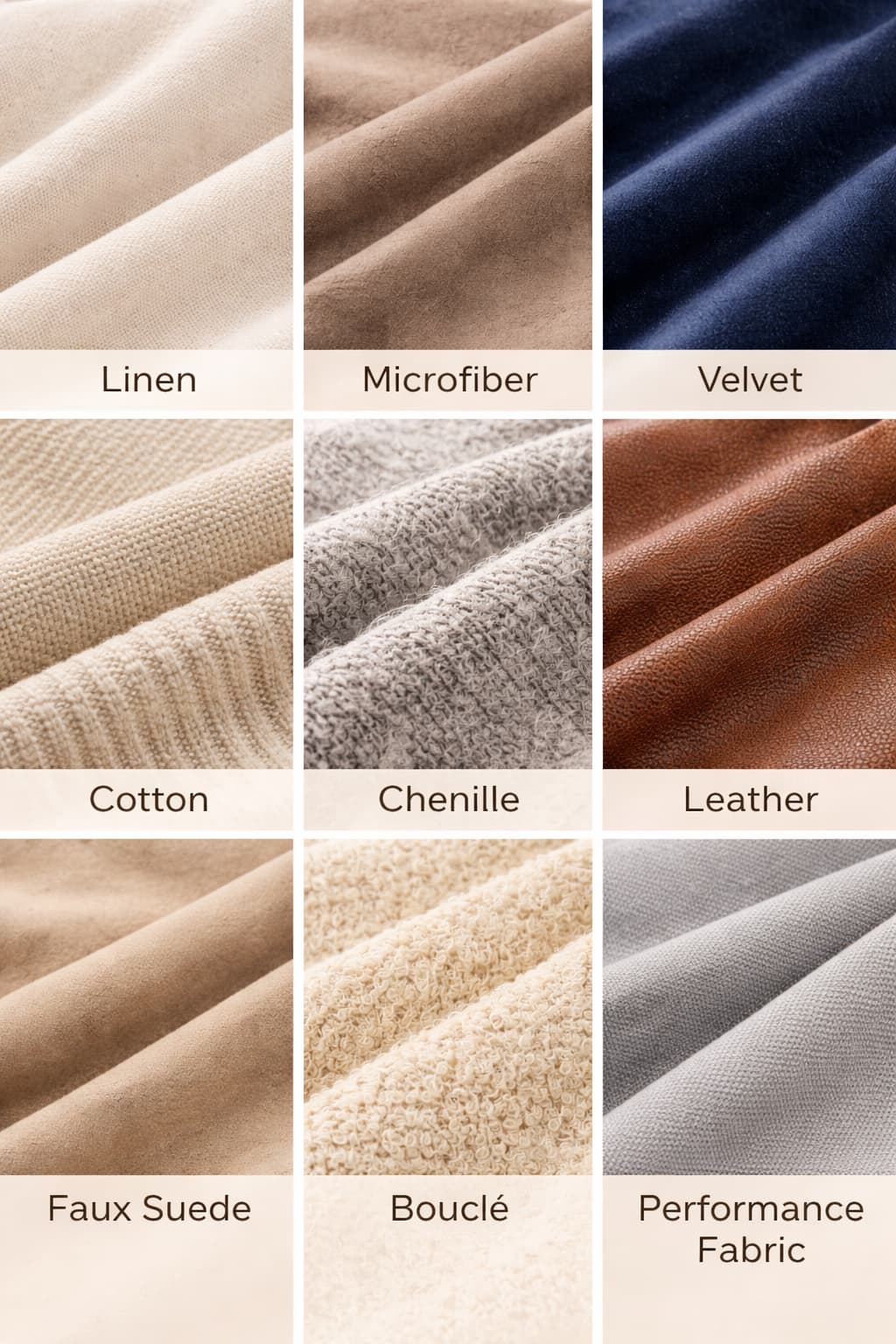
Upholstery comes in many fibers, and it is important to know which one you have. Common types include natural fibers like cotton and linen, synthetic fibers like polyester and microfiber, and blends. Leather and suede need very different care than cloth upholstery.
Look for the cleaning code tag on the furniture. The tag tells you what kind of cleaner is safe:
| Code | Meaning | Best Cleaner Type |
|---|---|---|
| W | Water-based | Mild dish soap & warm water |
| S | Solvent-based | Rubbing alcohol or dry cleaner |
| WS / W-S | Either One (water or solvent) | Always test first |
| X | Vacuum only | Avoid moisture |
If you cannot find a tag, test a hidden area first. Dab a drop of cleaner on an inconspicuous spot and blot with a cloth. If the color lifts or the fabric changes texture, stop and choose another method. Knowing your fabric type is the first step in how to clean upholstery safely.
Bissell’s Little Green® Machine cleaner works great on W or WS fabrics — check the tag before deep cleaning.
Pro tip: Hoover CleanSlate Plus handles W/WS fabrics well for quick tests and spot cleans.
Step 2: Tools and supplies you need
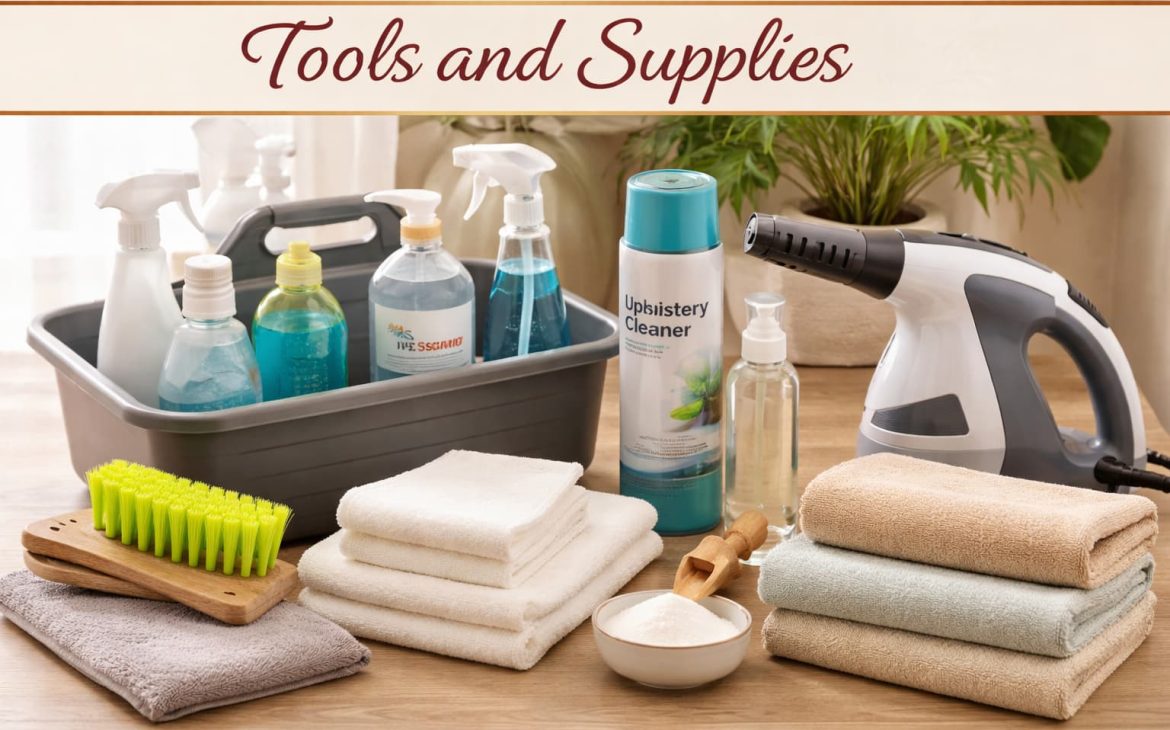
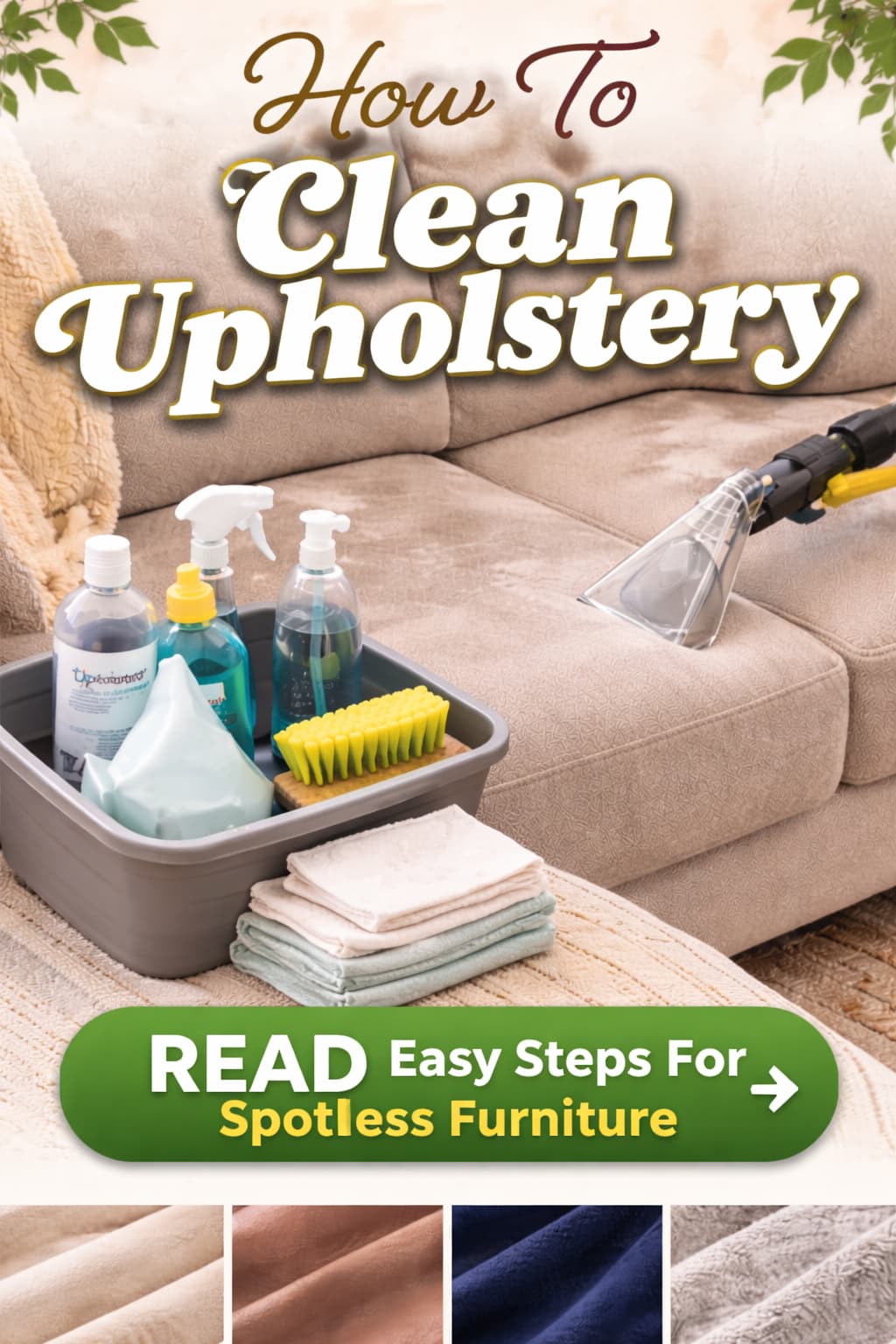
Gather simple tools before you start. These help speed work and avoid damage.
- Vacuum with upholstery tool: Use gentle suction and a crevice nozzle for seams. Dyson V15 Detect excels at pet hair pickup.
- Soft-bristled brush: Good for lint and surface dirt without roughing fabric.
- Microfiber cloths: They pick up dirt and dry fast.
- Mild dish soap and distilled water: For W-tag fabrics.
- Isopropyl alcohol 70% or rubbing alcohol: For S-tag and ink or dye stains.
- Upholstery cleaners or foam: Resolve Multi-Fabric Upholstery & Stain Remover lifts food/grease on most fabrics safely (no scrubbing). For tough spots, Folex Instant Carpet Spot Remover (enzyme-free, all fabrics). With a portable machine like Bissell Little Green, try their Oxy Spot & Stain formula for deep odor removal. Choose a product labeled safe for your fabric.
- Spray bottle: For mixing cleaners in a controlled way.
- Towels: For blotting and absorbing moisture.
- Steam cleaner (optional): Dupray Neat or Bissell SpotClean® for moisture-safe fabrics — extracts deep dirt without soaking.
Gathering your tools first makes upholstery cleaning faster and easier. I keep a small box with these items near my cleaning closet. It saves time and avoids bad improvisation.
Step 3: How to Deep Clean Upholstery
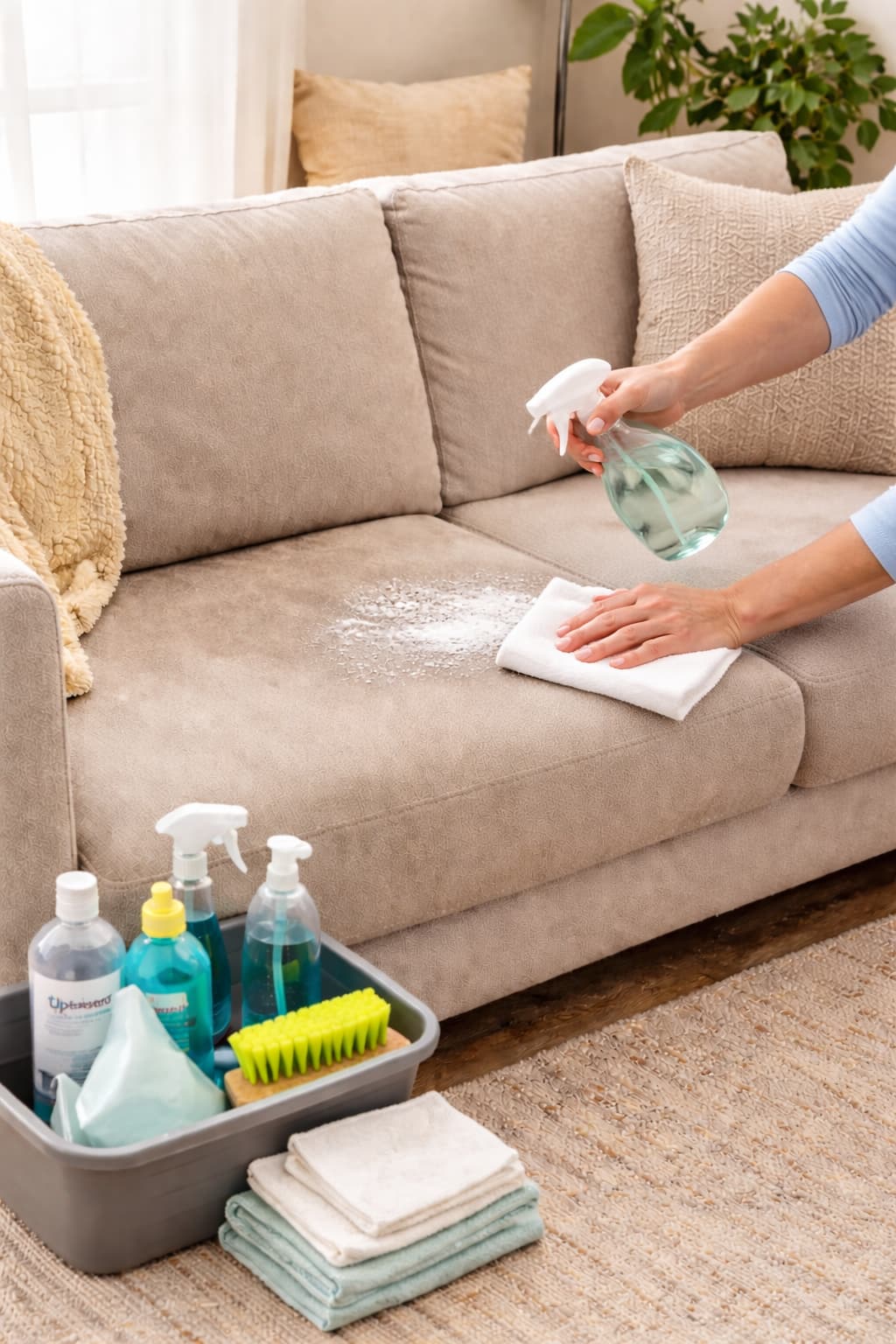
Follow these steps to clean most upholstered pieces. Read through first, then work slowly.
Inspect and prep:
- Remove cushions, pillows, and loose debris.
- Check tags and test cleaners on a hidden area.
Vacuum thoroughly:
- Use the upholstery attachment and vacuum seams, crevices, and under cushions.
- Work in short strokes to lift dirt without pressing it deeper.
Treat stains before wet cleaning:
- Blot fresh spills with a towel. Do not rub.
- Apply a small amount of cleaner to a cloth, then blot the stain from the outside in.
Clean the whole surface:
- For W fabrics: mix 1 tsp mild dish soap in 1 cup warm water. Lightly mist and wipe with a microfiber cloth. For deeper clean, use Bissell PET Spot & Stain formula in a Dirt Devil Portable Spot Cleaner — perfect for full sofas without residue.
- For S fabrics: use a solvent-based cleaner on a cloth. Gently dab; do not soak.
- For WS fabrics: choose either method, test first. Kenmore SpotLite scrubs both effectively.
Rinse and dry:
- Lightly dampen a cloth with plain water and blot to remove soap residue.
- Use towels to absorb moisture, then let air dry. Avoid direct heat or sun.
Fluff and protect:
- Replace cushions and brush fabric with a soft brush to restore texture.
- Consider a fabric protector if your fabric allows.
These steps show how to clean upholstery with care. I learned to take my time when I removed an old coffee stain and nearly made it worse by over-wetting. Test, blot, and be patient.
Step 4: How to Remove Common Upholstery Stains
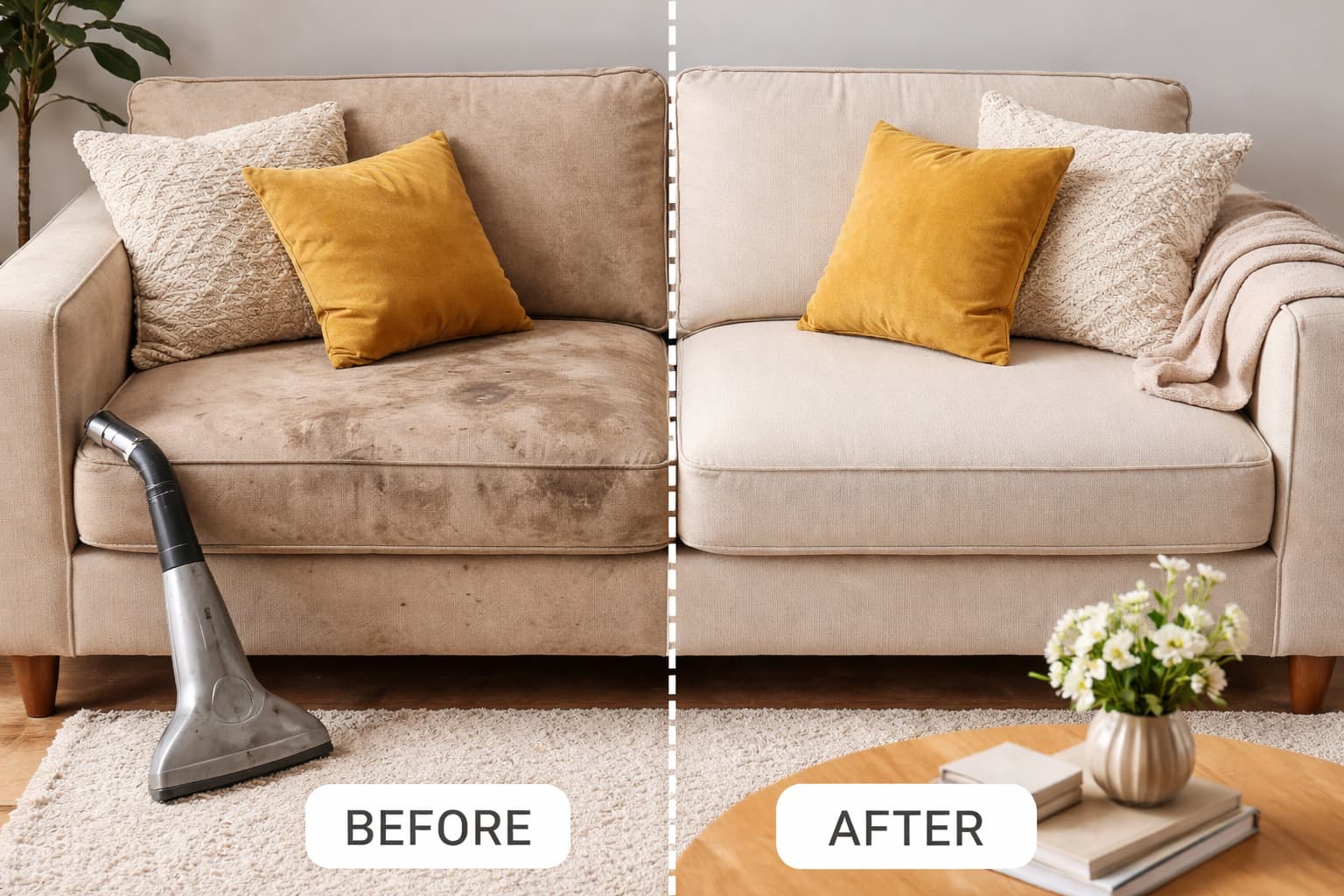
Stains vary. Match the method to the cause. Here are common types and quick fixes.
- Food and drink: Blot excess. Use mild soap and water for W fabrics. For S fabrics, use solvent cleaner. Resolve Multi-Fabric Upholstery Remover neutralizes coffee/wine fast.
- Grease and oil: Sprinkle baking soda to absorb. Vacuum then apply solvent cleaner. Avoid water only.
- Ink: Dab with rubbing alcohol on a cloth. Work from outside in. Repeat until ink lifts.
- Blood: Use cold water to blot for W fabrics. For dried blood, enzymatic cleaner works well.
- Pet urine and odor: Blot then use an enzyme cleaner designed for upholstery. Air dry fully to prevent odor recurrence. Cat owners also check leather scratch fixes. Hoover CleanSlate Pet Kit destroys pet odors; add Bissell PET PRO OXY formula for extra oxy boost in any machine.
- Makeup and foundation: Blot with a dry towel then test mild detergent solution. Avoid rubbing. Dr. Beckmann Stain Devils Cosmetics & Nature targets makeup well.
Always blot, not rub. Blotting lifts the stain. Rubbing spreads it. These small choices are central to how to clean upholstery without harm.
Step 5: Deep cleaning and professional options
Routine cleanings keep your furniture fresh but deep cleaning sometimes is needed. Deep cleaning removes trapped oils and old stains.
Home deep-cleaning options:
- Steam cleaning: Use a low-heat setting and a machine rated for upholstery. Test first. Steam can be great for W or WS fabrics. Bissell Little Green® extracts dirt from deep in the backing.
- Foam Shampooing: Use a foam upholstery shampoo. Work in small areas and rinse by blotting. Too much moisture can lead to mildew.
When to call a pro:
- Large or set-in stains that you cannot remove.
- Delicate fabrics like silk or antique upholstery.
- Leather that needs conditioning or repair.
- Mold or heavy odor that returns after DIY cleaning.
Professional cleaners use industry-grade machines and solvents. They can restore fabric without causing shrinkage or color loss. If you hire help, ask about fabric testing and spot-treatment options upfront. I called a pro once for a suede sectional. It saved the material and cost less than replacing the couch.
Step 6: Maintenance and prevention tips
Small habits keep upholstery looking new. They also reduce how often you need full cleanings.
- Vacuum weekly. This removes grit that wears fabric.
- Rotate cushions monthly. It evens wear and extends life.
- Use arm covers and throws. They protect high-contact areas. Try these high-low styling ideas.
- Address spills right away. Quick action prevents stains from setting.
- Keep pets’ nails trimmed and use washable pet blankets. This reduces hair and scratch damage.
- Avoid direct sunlight. UV fades fabric over time.
I learned to keep a lint roller near the couch. It makes quick pick-ups simple. These small habits can cut deep cleaning frequency in half.
People also ask
What is the safest cleaning solution for upholstery?
- A mild mix of dish soap and warm water is safe for most W fabrics when used sparingly and tested first.
Can you steam clean all upholstery?
- No. Steam is safe for W and some WS fabrics but not for S-tag fabrics, leather, or delicate fibers.
How often should upholstery be deep cleaned?
- Aim for deep cleaning every 12 to 24 months, or sooner for heavy use or pet households.
FAQ
How do I identify my upholstery cleaning code?
Check the tag under cushions or on the frame. Look for W, S, WS, or X. If no tag exists, test a hidden spot with a mild cleaner.
Will vinegar damage my upholstery?
Vinegar can be used in small amounts on many fabrics, but test first. Do not use vinegar on delicate fibers or leather.
How long does upholstery take to dry after cleaning?
Most upholstery dries in 4 to 24 hours depending on air flow, humidity, and how wet it got. Use fans and open windows to speed drying.
Can I use a carpet cleaner on my couch?
Only use an upholstery attachment and a cleaner rated safe for upholstery. Test a small area first to avoid over-wetting or shrinkage.
Is professional cleaning worth the cost?
Yes, for set-in stains, delicate fabrics, or large pieces. Professionals have tools and solutions that can save the piece and extend its life.
How do I remove pet hair from upholstery?
Vacuum with a brush tool, use a rubber glove to gather hair, or use a lint roller. Washable covers help reduce hair buildup.
Conclusion
Cleaning upholstery is a mix of simple habits and the right technique. Always identify the fabric and cleaning code, test first, vacuum regularly, treat stains quickly, and choose suitable cleaners or steam only when safe. The small steps you take now can save time and money later. Try one cleaning tip this week—rotate cushions, test a cleaner on a hidden spot, or give a chair a quick vacuum. Compare durable sofa brands here. Share your results or questions below, or subscribe to get more easy, expert cleaning tips.