

The comfort of a beloved couch is unparalleled, but daily life—think spilled coffee, pet hair, or just the accumulation of dust—can quickly diminish its pristine appearance. Deep cleaning a couch typically involves vacuuming, spot treatment, steam cleaning or wet extraction, and thorough drying. As someone who’s spent years advising on and personally tackling countless upholstery challenges, I can tell you that a truly clean couch isn’t just about aesthetics; it’s about preserving your investment, extending its life, and creating a healthier living space. This guide will meticulously walk you through exactly how to deep clean a couch, ensuring you achieve professional-level results right in your own home.
Why Deep Clean Your Couch?
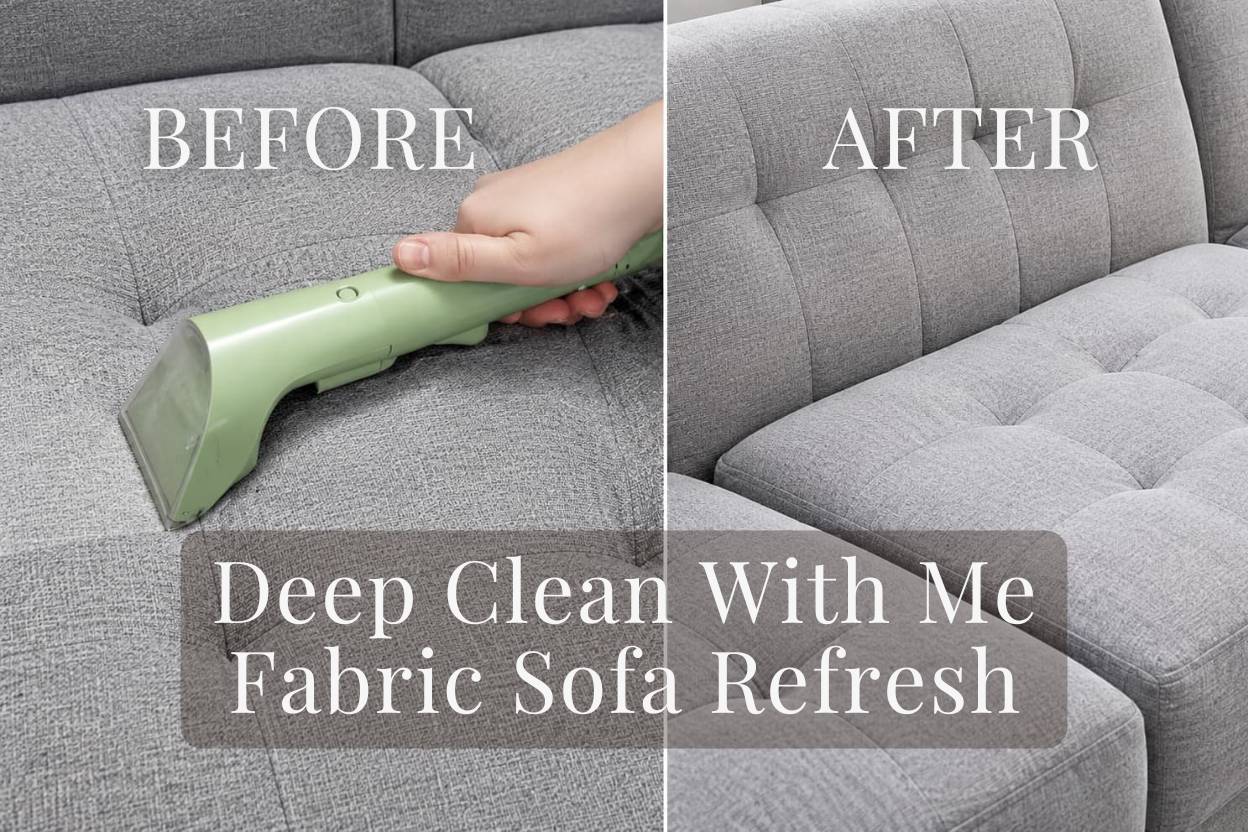
Our couches are silent witnesses to so much of our lives—movie nights, family gatherings, quiet evenings with a book. Over time, they absorb everything from dust mites and pet dander to food crumbs and spilled drinks. A simple vacuum often isn’t enough to tackle the grime embedded deep within the fibers. Deep cleaning isn’t just about making your couch look good; it’s about hygiene, longevity, and even air quality in your home. From my experience, neglecting regular deep cleans can lead to unpleasant odors, stubborn stains becoming permanent, and an overall dull appearance. It’s a proactive step that pays dividends in comfort and cleanliness.
Read our full guide here: How To Fix Sagging Couch Cushions: Quick & Easy Repairs
Understanding Your Couch Fabric
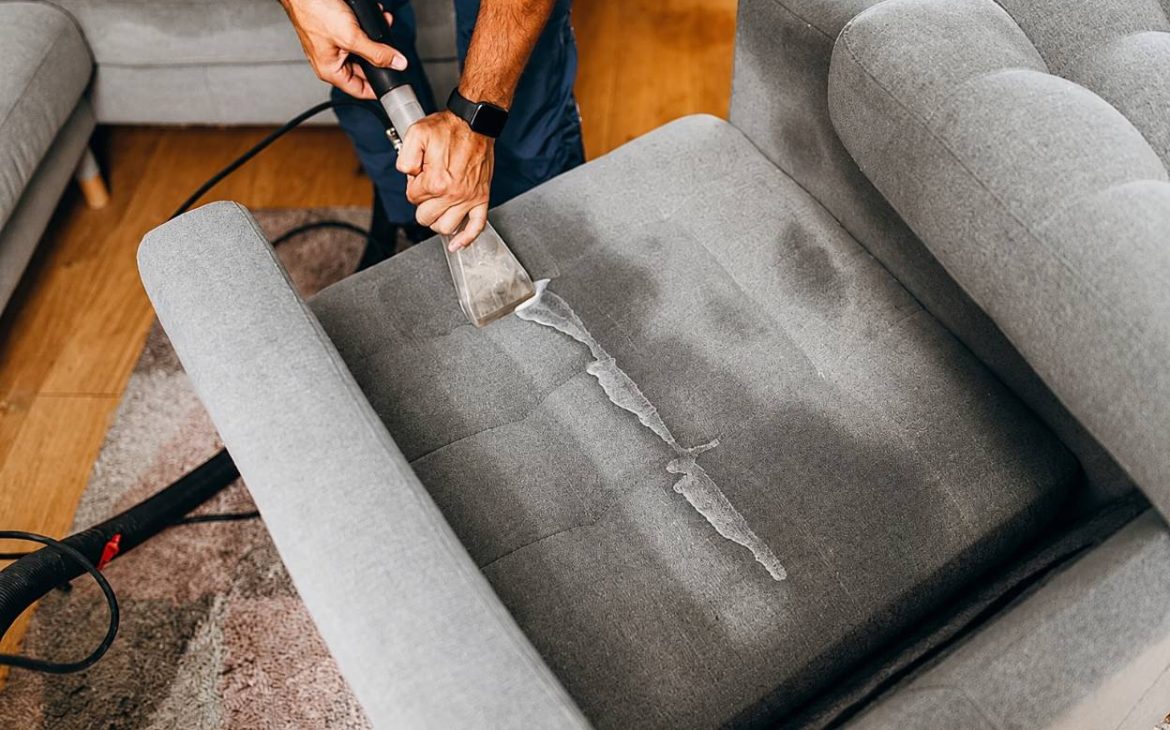
Before you even think about grabbing a cleaning solution, you absolutely must understand your couch’s fabric. This is the golden rule of upholstery cleaning, a lesson I learned early on after a minor mishap with a beloved armchair. Using the wrong cleaning method can lead to irreversible damage, such as shrinking, discoloration, or water stains. Most couches come with a care tag, usually hidden under a cushion. This tag isn’t just decorative; it holds the key to safe and effective deep cleaning. These industry-standard cleaning codes are used across the furniture industry to ensure proper care.
Checking the Cleaning Code
The care tag will feature one of these crucial cleaning codes:
- W (Water-based cleaner): This code means you can safely use water-based cleaning solutions. This is often found on synthetic fabrics like polyester or nylon.
- S (Solvent-based cleaner): For these fabrics, typically more delicate or natural fibers like silk or rayon, you should only use water-free solvent cleaners. This also applies to delicate fabrics like boucle or velvet, which require extra caution. Water can cause staining or damage.
- WS (Water-based or Solvent-based cleaner): This versatile code indicates that both water-based and solvent-based cleaners are safe to use.
- X (Vacuum only): This is the trickiest one. “X” means the fabric cannot be cleaned with any liquid—either water or solvents. For these, professional cleaning is almost always recommended, or you’re limited to vacuuming and brushing. For a professional cleaner’s interpretation of these codes and their implications, industry experts provide additional context.
If your couch doesn’t have a care tag, or if it’s illegible, it’s best to err on the side of caution. Test any cleaning product on an inconspicuous area first, like the back or underside of the couch, to ensure it doesn’t cause damage or discoloration. This simple step has saved me from numerous potential cleaning disasters.
For more detailed guidance on different fabric types, check out our comprehensive guide to general upholstery cleaning methods.
Gathering Your Deep Cleaning Arsenal
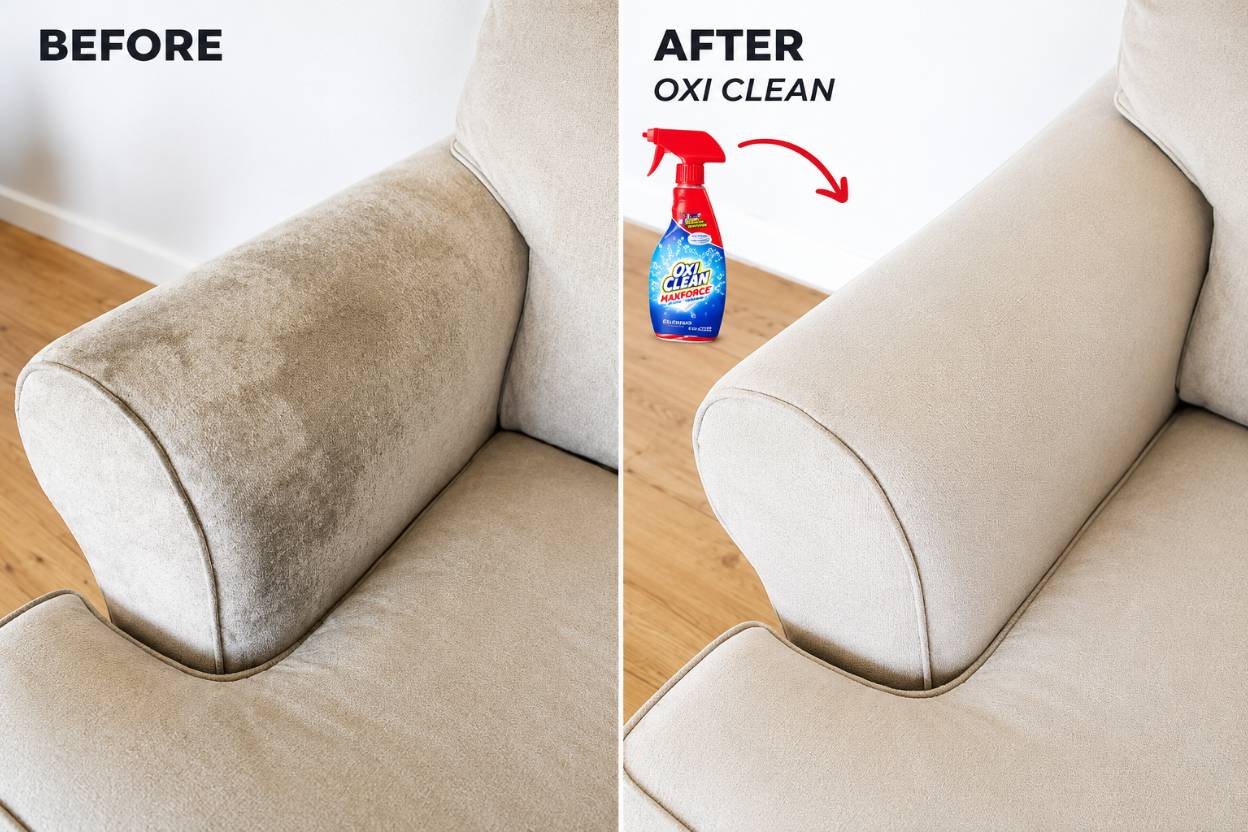
Having the right tools makes all the difference when you’re preparing to deep clean a couch. Think of it like a chef preparing their mise en place; everything you need should be within reach. This will ensure a smooth, efficient process and better results.
Here’s a breakdown of what you’ll likely need:
- Vacuum cleaner with upholstery attachments: Essential for removing loose debris and dust.
- Stiff brush or lint roller: For loosening stubborn dirt and pet hair.
- Microfiber cloths: Several premium microfiber cleaning cloths (always white to avoid dye transfer) for blotting and applying solutions. If you need a budget-friendly option, a 12-pack of white microfiber cloths ensures you have plenty for frequent rinsing and changing.
- Spray bottle: For applying cleaning solutions evenly.
- Bucket(s): For mixing solutions and rinsing cloths.
- Cleaning solution:
- For “W” or “WS” coded fabrics: A mild dish soap (a few drops mixed with warm water), or a dedicated upholstery cleaner designed for water-safe fabrics. Some prefer a mixture of equal parts white vinegar and water.
- For “S” or “WS” coded fabrics: A water-free solvent cleaner specifically for upholstery.
- Optional but highly recommended:
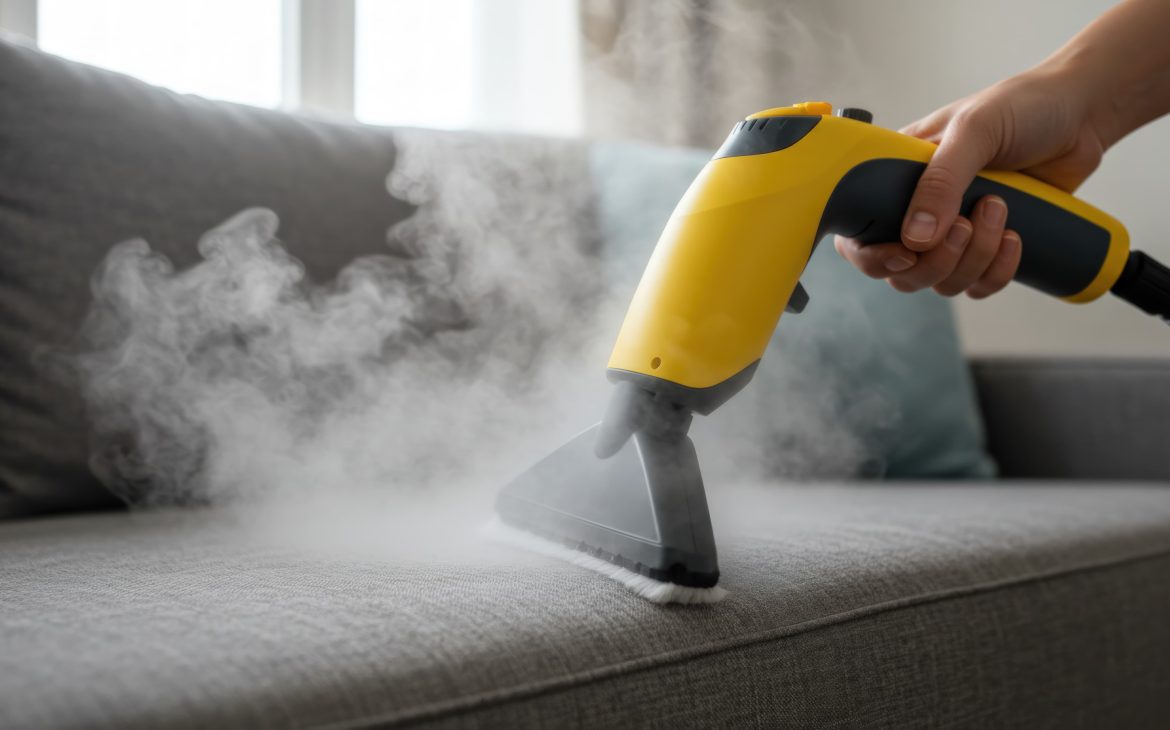
- Steam cleaner or portable upholstery cleaner/extractor: These machines provide a deeper clean by injecting and then extracting cleaning solution, which is incredibly effective for removing deeply embedded dirt. For most homeowners, the BISSELL Little Green portable cleaner offers the perfect balance of power and affordability, with over a million units sold and proven effectiveness on upholstery stains.
- Fan or dehumidifier: To help speed up the drying process and prevent mold or mildew.
- Rubber gloves: To protect your hands from cleaning solutions.
Having these items ready before you start will help you maintain momentum and achieve the best possible outcome for your deep cleaning project.
Step-by-Step Guide to Deep Cleaning Your Couch
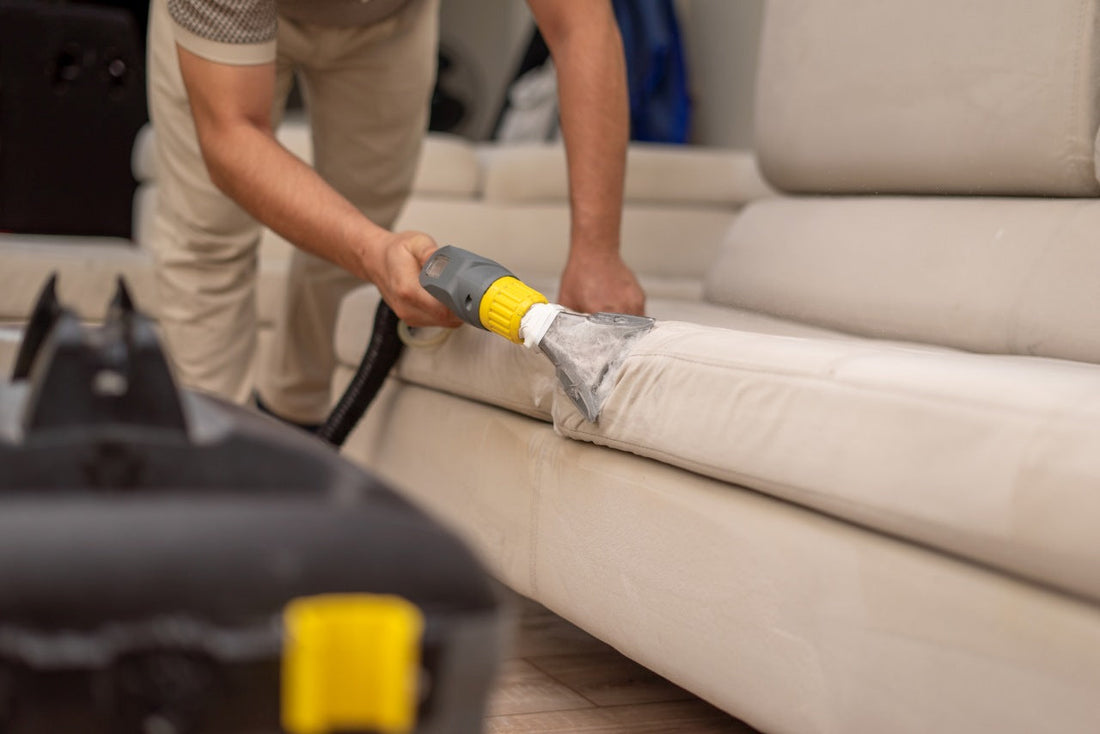
Now that you’re armed with knowledge and the right tools, let’s get into the nitty-gritty of how to deep clean a couch effectively. This methodical approach will help you achieve a truly refreshed sofa.
Step 1: Prep Work – The Foundation of a Clean Couch
This initial stage is critical and often overlooked, but it sets the stage for a successful deep clean.
- Remove everything: Take off all cushions, throws, and decorative pillows. Give them a good shake outdoors to dislodge loose debris. Check under the cushions for forgotten items—you’d be surprised what treasures you might find! If you discover any burn holes or tears during this inspection, you may need to repair minor damage before proceeding with cleaning.
- Thorough vacuuming: Using your vacuum cleaner with the upholstery attachment, systematically vacuum every inch of the couch. Pay close attention to crevices, seams, and under the frame. Use a brush attachment to gently agitate the fabric and loosen embedded dirt and pet hair, then vacuum again. For stubborn pet hair, a rubber glove rubbed across the fabric can work wonders.
- Brush away loose dirt: For fabrics with a pile or weave, a stiff brush can help lift embedded dirt before vacuuming. Brush in one direction to maintain the fabric’s appearance. A quality stiff-bristle brush set with multiple sizes allows you to effectively agitate different fabric textures without causing damage.
Step 2: Spot Treatment – Tackling Stains Head-On
Before applying a deep cleaning solution, address any noticeable stains. My personal rule of thumb is to always tackle stains as soon as they happen, but when deep cleaning, this is your chance to address older, forgotten marks.
- Identify the stain and fabric code: Knowing what caused the stain (e.g., grease, ink, wine) can influence the best treatment. Always double-check your fabric cleaning code.
- Apply spot cleaner: For “W” or “WS” coded fabrics, lightly dampen a clean microfiber cloth with a small amount of your chosen water-based cleaner. For “S” or “WS” codes, use a solvent-based spot cleaner. Apply the cleaner directly to the cloth, not the couch. Products like Hoover Oxy spot remover are specifically formulated to tackle colored stains on upholstery without damaging water-safe fabrics.
- Blot, don’t rub: Gently blot the stain from the outside in to prevent it from spreading. Change to a clean section of the cloth frequently. Rubbing can push the stain deeper into the fibers or damage the fabric. For quick spot treatments without mixing your own solution, a ready-to-use Resolve upholstery spot cleaner can save time while still delivering effective results on fresh spills.
- Rinse (if water-safe): If using a water-based cleaner, dampen a fresh cloth with plain water and blot the area to remove any cleaner residue.
- Let it dry: Allow the spot-treated areas to dry completely before moving on. This prevents moisture issues when you perform the full deep clean.
Step 3: The Deep Clean – Method Matters
This is where you truly deep clean a couch, removing the accumulated grime. Your method will depend entirely on your fabric code.
Water-Based Cleaning (W/WS codes)
This is the most common and often most effective method for synthetic fabrics.
- Prepare your solution: Mix a small amount of mild dish soap (or your specific upholstery cleaner) with warm water in a spray bottle or bucket. Ensure it’s very sudsy. Alternatively, a professional-grade upholstery cleaning solution designed for extractors can provide superior stain-fighting power, especially for pet-related messes
- Test an inconspicuous area: Even if it’s a “W” code, always test your chosen solution on a hidden part of the couch first. Look for discoloration or damage once dry.
- Apply evenly: Lightly mist a section of the couch with the cleaning solution using your spray bottle. Don’t saturate the fabric; you want it damp, not soaking wet.
- Agitate gently: Use a clean microfiber cloth or a soft brush to gently work the solution into the fabric in small, overlapping sections.
- Extract or blot:
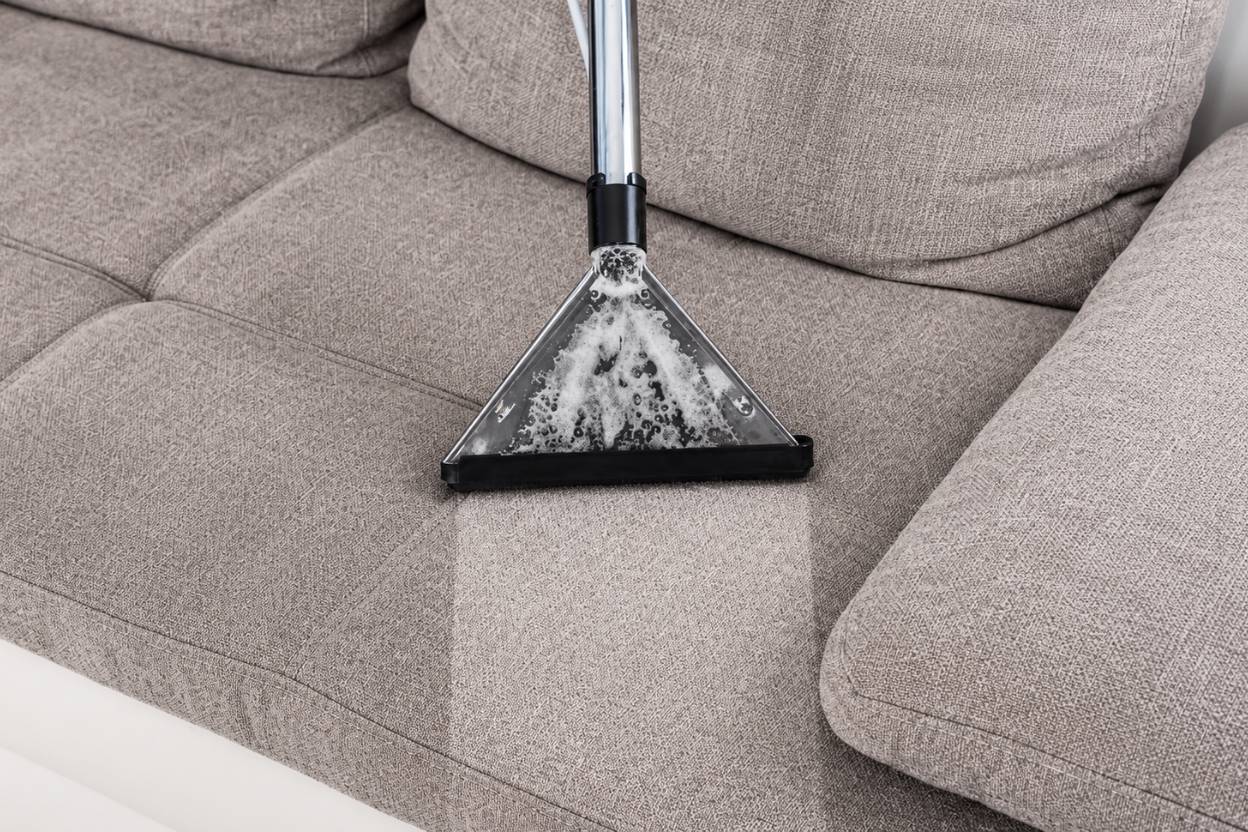
- Using an upholstery cleaner/extractor: Follow the manufacturer’s instructions.These machines are excellent for lifting dirt and moisture. Go over the treated area slowly, extracting as much moisture as possible. For professional-level results at home, the BISSELL SpotClean Pro delivers powerful suction and comes with specialized tools for stairs and tough stains
- Manual blotting: If you don’t have an extractor, use a clean, dry microfiber cloth to blot the treated area thoroughly, absorbing the dirty solution. Rinse the cloth frequently in clean water and wring it out completely before re-blotting. Continue until no more dirt transfers to the cloth. If you have a leather couch instead, our dedicated guide on cleaning leather couches provides specialized techniques for this material.
- Repeat sections: Work in small sections, overlapping slightly, until the entire couch is cleaned.
Solvent-Based Cleaning (S code)
For delicate fabrics where water is a no-go, a solvent cleaner is your ally.
- Ventilate the area: Solvent cleaners can have strong fumes, so ensure good air circulation by opening windows.
- Apply to cloth: Never spray solvent directly onto the couch. Instead, dampen a clean, white microfiber cloth with the solvent cleaner.
- Wipe gently: Wipe a small section of the couch with the dampened cloth. The solvent will evaporate quickly, lifting dirt.
- Rotate cloth: Use a fresh section of the cloth as it picks up dirt.
- Allow to dry: Solvent cleaners dry very quickly, but ensure the area is completely dry before use. For synthetic leather alternatives, learn how to clean faux leather properly.
No Water Cleaning (X code)
If your couch has an “X” code, deep cleaning becomes a more specialized task.
- Thorough vacuuming: Your primary method will be diligent, frequent vacuuming with appropriate attachments.
- Gentle brushing: Use a soft brush to agitate and lift surface dirt.
- Professional help: For deeper cleaning, especially if there are odors or significant stains, professional upholstery cleaning is the safest and most effective option. The cleaning approach can vary based on different sofa construction types, so understanding your specific couch style helps determine the best professional service. They have specialized dry-cleaning methods for these fabrics.
Step 4: Rinsing and Drying – The Final Touches
Proper rinsing and drying are crucial to prevent water marks, mildew, and lingering odors.
- Rinse (for water-based cleaning): If you used a water-based cleaner, fill your spray bottle with plain, clean water. Lightly mist a section of the couch and immediately blot thoroughly with a clean, dry microfiber cloth. This removes any residual cleaning solution. Repeat this rinsing and blotting process over the entire couch. If you used an extractor, go over the couch again with just clean water in the machine to rinse.
- Promote air circulation: Open windows, turn on fans, or use a dehumidifier to maximize air circulation around the couch. This is perhaps the most important step for preventing mold and mildew.
- Avoid direct sunlight/heat: While drying is important, avoid direct, intense sunlight or excessive heat, which can damage some fabrics.
- Fluff cushions: Once dry, fluff up your cushions and put them back in place. You might want to rotate them to ensure even wear.
Read How to Get Old Stains Out of Upholstery (Even Set-In Ones)
Maintaining a Clean Couch
After all that effort to deep clean a couch, you’ll want to keep it looking its best for as long as possible. Regular maintenance is key, and it’s far less daunting than a full deep clean. From years of living with kids and pets, I’ve developed a few habits that significantly extend the time between major deep cleans.
- Weekly vacuuming: Make it a habit to vacuum your couch weekly using an upholstery attachment or a specialized handheld pet hair vacuum for quick touch-ups between deep cleans.
- Prompt spill treatment: The moment a spill happens, blot it immediately with a clean, dry cloth. Don’t rub! The quicker you act, the less likely it is to set as a permanent stain. Always check your fabric code before applying any liquid.
- Fluff and rotate cushions: Regularly flip and rotate your couch cushions. This helps distribute wear evenly and prevents permanent indentations, keeping your couch looking plump and inviting.
- Consider slipcovers or throws: For high-traffic couches, especially those enduring pets or young children, a washable slipcover or strategically placed throws can be a lifesaver. They act as a barrier against daily grime and are much easier to wash than the entire couch.
- Deep clean annually or bi-annually: Depending on usage, pets, and children, aim to deep clean your couch thoroughly once or twice a year. If you have severe allergies or multiple pets, you might consider more frequent deep cleans.
Read: How to Remove Stains from Couch: A Complete Step-by-Step Guide
Troubleshooting Common Couch Cleaning Issues
Even with the best intentions, you might encounter some challenges when you deep clean a couch. Here’s how to tackle a few common problems:
- Water marks after cleaning: This often happens if the fabric was over-saturated or not rinsed properly. To fix it, lightly mist the entire affected cushion or section with clean water, then use an extractor or thoroughly blot with a clean, dry microfiber cloth, extending beyond the water mark itself. Ensure rapid drying with fans.
- Lingering odors: After deep cleaning, if odors persist (especially from pets or mildew), try sprinkling baking soda for deodorizing generously over the entire couch. Let it sit for several hours, or even overnight, to absorb odors, then vacuum it up thoroughly. For severe odors, an enzyme cleaner (designed for upholstery and safe for your fabric code) might be necessary.
- Fabric stiffness: Some fabrics, particularly natural fibers, can feel a bit stiff after a deep water-based clean. Once completely dry, gently brush the fabric with a soft-bristled brush to help soften and restore its original texture.
- Pilling: Small fabric balls can form on some upholstery, particularly synthetics. You can carefully remove these using a fabric shaver or a blunt razor (use with extreme caution!).
Frequently Asked Questions of how to deep clean a couch
How often should I deep clean my couch?
Most households benefit from deep cleaning their couch once or twice a year, especially if you have pets, children, or frequently entertain. For lighter use, an annual deep clean might suffice to maintain freshness and extend its lifespan.
Can I use a regular carpet cleaner to deep clean a couch?
While some carpet cleaners come with upholstery attachments, it’s crucial to check if the machine and solution are safe for your specific couch fabric. Carpet cleaners can sometimes be too powerful or use solutions that are too harsh for delicate upholstery.
While some carpet cleaners come with upholstery attachments, machines like the Hoover PowerDash Pet cleaner are specifically designed for compact cleaning tasks and work well on both carpets and furniture when used carefully.
What should I do if my couch doesn’t have a cleaning code?
If there’s no visible cleaning code, it’s safest to assume the fabric is delicate. Perform a patch test with a very mild, diluted water-based solution on an inconspicuous area, and if that doesn’t work, consider professional cleaning or stick to vacuuming only.
How do I remove pet hair embedded in my couch?
For embedded pet hair, first vacuum thoroughly with an upholstery attachment. Then, use a rubber glove, a lint roller, or a damp sponge to gently rub the fabric; the friction will help gather the hair into clumps for easy removal.
Is it safe to use baking soda to deodorize my couch?
Yes, baking soda is a safe and effective natural deodorizer for most couch fabrics. Sprinkle it generously, let it sit for several hours (or overnight), and then vacuum it up completely to absorb odors without harsh chemicals.
Conclusion
Embarking on the journey to deep clean a couch can seem like a big task, but with the right knowledge, tools, and a methodical approach, it’s incredibly rewarding. You’re not just wiping away surface grime; you’re reviving your furniture, extending its life, and creating a healthier, more inviting space for yourself and your loved ones. Understanding your fabric, addressing stains promptly, and committing to regular maintenance are the pillars of a consistently clean couch. So, don’t let accumulated dirt and spills win the battle; empower yourself with these steps and transform your sofa from tired to vibrant. Why not gather your supplies this weekend and experience the satisfaction of a truly refreshed living area? You’ll be amazed at the difference!